
News & Politics
Diplomatic Tension Rises as South Africa Envoy Dismisses Xenophobia Concerns
While South African officials insist that anti-migrant sentiment is fueled by misperceptions and economic stress rather than systemic hatred, regional leaders across West Africa have voiced sharp criticism, raising warning flags about potential local economic pushbacks against South African corporate interests.

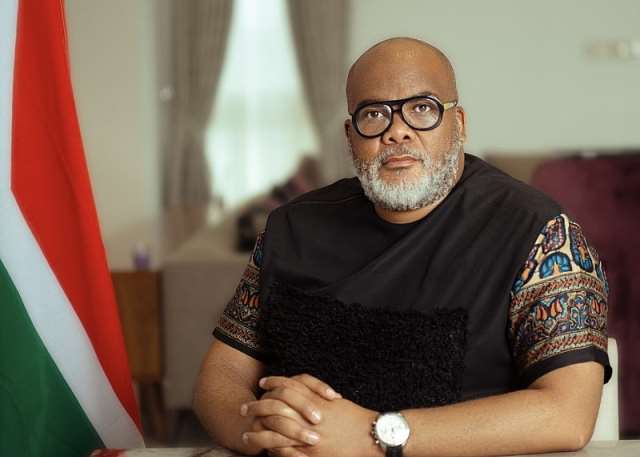
Relations between South Africa and its West African neighbors have hit another diplomatic crossroads. Recent statements made by South Africa’s Consul-General in Nigeria, Prof. Bobby Moroe, dismissing concerns over systemic xenophobia have reignited intense debates across the continent.
While South African officials insist that anti-migrant sentiment is fueled by misperceptions and economic stress rather than systemic hatred, regional leaders across West Africa have voiced sharp criticism, raising warning flags about potential local economic pushbacks against South African corporate interests.
Dismissal of Systemic Concerns and Diplomatic Pushback
During public engagements in Nigeria, Consul-General Prof. Bobby Moroe pushed back against the label of systemic xenophobia.He emphasized that South Africa remains host to millions of legal and undocumented African migrants, arguing that the term “xenophobia” is often unfairly attached to South Africa whenever localized conflicts arise.
Regarding widespread complaints about visa denials for Nigerian professionals and business owners, the envoy maintained that rejections stem from non-compliance with immigration documentation rather than intentional discrimination. According to diplomatic officials, the core issue stems from “a pandemic of perception” magnified by social media, where isolated criminal actions or administrative delays are misinterpreted as state-sponsored intolerance.
Backlash from West African Leaders & Calls for Economic Reciprocation
The envoy’s remarks have drawn significant friction from regional leaders, diplomats, and civil society groups across West Africa. Following recent reports of targeted violence and extrajudicial killings involving foreign nationals in South Africa, Nigeria’s Ministry of Foreign Affairs issued strong warnings, stating that “all options remain on the table” if the safety of its citizens is not guaranteed.
ALSO READ:
Simultaneously, countries like Ghana have called for formal debates at the African Union (AU) level to address anti-immigrant sentiment and security risks faced by African migrants.
Key areas of concern raised by West African stakeholders include:
- Demands for Accountability: Calling on South African law enforcement to transparently investigate extrajudicial killings and vigilante attacks targeting foreign entrepreneurs.
- Economic Pushback: Activists and trade groups have urged local governments to consider regulatory or consumer boycotts against prominent South African multinational corporations operating in West Africa if anti-foreign sentiment persists.
- Rejection of Stigmatization:Officials strongly condemned public statements by foreign spokespersons that unfairly stereotype Nigerian or foreign communities as primary drivers of crime.
Reclaiming Pan-African Solidarity and Finding Solutions
Despite the heightened rhetoric, diplomatic channels between Pretoria, Abuja, and Accra remain open under bilateral commission frameworks. Both South African President Cyril Ramaphosa and regional leaders have repeatedly cited the spirit of Ubuntu—recalling how African nations stood united against apartheid—as the true foundation for continental unity.
To de-escalate tensions and build sustainable bilateral cooperation, experts suggest focusing on three actionable pillars:
- Early Warning Mechanisms: Establishing joint security monitoring desks to catch localized tensions before they escalate into community violence.
- Institutional Immigration Reforms: Streamlining visa processing for legitimate business travel, academic exchanges, and tourism to reduce friction.
- Cultural and Media Exchanges: Expanding professional programs that allow journalists and creators to challenge negative stereotypes and foster mutual understanding.
Protecting human rights, safeguarding continental trade under the African Continental Free Trade Area (AfCFTA), and promoting inclusive economic growth require constructive dialogue over defensive rhetoric.
How do you think African nations can better protect migrant rights while fostering regional trade? Share your thoughts in the comments section below! Don’t forget to share this article and subscribe for more coverage on African diplomacy.