
Leadership Lessons
Peter Obi Dumps ADC Amid Political Tensions, Sparks 2027 Alliance Questions
His departure comes amid rising tensions within the ADC, particularly after the growing influence of Atiku Abubakar, who is widely seen as a potential frontrunner for the party’s 2027 presidential ticket.

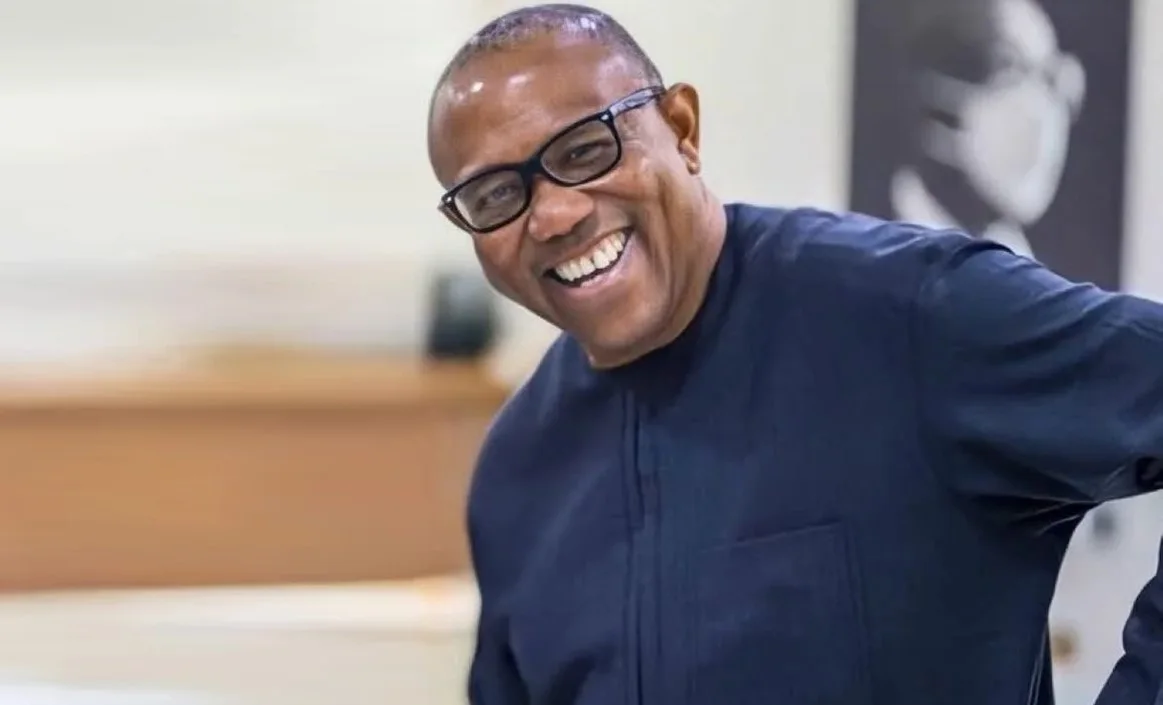
By Maxwell Nnawuihe | May 3, 2026
Peter Obi’s Exit from ADC Reignites Political Debate
The political landscape in Nigeria has shifted again following the decision of Peter Gregory Obi to leave the African Democratic Congress (ADC), adding another chapter to his evolving political journey across major parties including APGA, PDP, and the Labour Party.
His departure comes amid rising tensions within the ADC, particularly after the growing influence of Atiku Abubakar, who is widely seen as a potential frontrunner for the party’s 2027 presidential ticket.
Do well to watch a prophecy update on Peter Obi’s presidential aspiration. The prophecy revealed what will happen to the ADC party and Peter Obi in the light of “saving Nigeria in the 2027 elections.”
Watch here via link:
Obi Speaks: Full Statement
In a reflective post on X, Obi wrote:
“Fellow Nigerians, good morning.”
“I woke up this morning after my church service with a deeply reflective heart, and despite every constraint, I felt compelled to share these thoughts with you.”
“Many people do not truly understand the silent pains some of us carry daily—the private struggles, emotional burdens, and quiet battles we face while trying to survive and serve sincerely in difficult circumstances.”
“We now live in an environment that has become increasingly toxic, where the very system that should protect and create opportunities for decent living often works against the people—a society where intimidation, insecurity, endless scrutiny, and discouragement have become normal.”
“More painful is when some of those you associate with, believing you would find understanding and solidarity among them, become part of the pressure you face. Some who publicly identify with you privately distance themselves or join in unfair criticism.”
“We live in a society where humility is mistaken for weakness, respect is seen as a lack of courage, and compassion is treated as foolishness—a system where treating people equally is questioned simply because you refuse to worship status, tribe, class, or power.”
“Personally, I have never looked down on anyone except to uplift them. I have never used privilege, position, or resources to oppress others, intimidate the weak, or make people feel small. To me, leadership has always been about service, sacrifice, and helping others rise.”
“Let me state clearly: my decision to leave the ADC is not because our highly respected Chairman, Senator David Mark, treated me badly, nor because my leader and elder brother, Alhaji Atiku Abubakar, or any other respected leaders did anything personally wrong to me. I will continue to respect them.”
“However, the same Nigerian state and its agents that created unnecessary crises and hostility within the Labour Party that forced me to leave now appear to be finding their way into the ADC, with endless court cases, internal battles, suspicion, and division, instead of focusing on deeper national problems and playing politics built more on control and exclusion than on service and nation-building.”
“Even within spaces where one labours sincerely, one is sometimes treated like an outsider in one’s own home. You and your team become easy targets for every failure, frustration, or misunderstanding, as though honest contribution has become a favour being tolerated rather than appreciated.”
“And when you choose to leave so that those you are leaving can have peace, and you step out into the cold, you are still maligned and your character is questioned. Despite all your efforts to continue working for a better Nigeria and engaging people with sincerity and goodwill, those who do not wish you well continue to attack your character and question your intentions.”
“There are moments I ask God in prayer: Why is doing the right thing often misconstrued as wrongdoing in our country? Why is integrity not valued? Why is the prudent management of resources, especially when invested in critical areas like education and healthcare, wrongly labelled as stinginess? Why are humility and obedience to the rule of law often taken to be weakness rather than discipline?”
“Let me assure all that I am not desperate to be President, Vice President, or Senate President. I am desperate to see a society that can console a mother whose child has been kidnapped or killed while going to school or work. I am desperate to see a Nigeria where people will not live in IDP camps but in their homes. I am desperate for a country where Nigerian citizens do not go to bed hungry, not knowing where their next meal will come from.”
“Yet, despite everything, I remain resolute. I firmly believe that Nigeria can still become a country with competent leadership based on justice, compassion, and equal opportunity for all.”
“A new Nigeria is POssible. -PO”
ALSO READ:
A Pattern in Obi’s Political Journey
Obi’s latest move mirrors earlier shifts in his political career. He previously left the PDP ahead of the 2023 election after the party handed its presidential ticket to Atiku Abubakar. His move to the Labour Party energized a new voter base, especially among young Nigerians, before internal disputes later emerged.
Now, his exit from ADC—coming as Atiku’s influence within the party grows—has fueled speculation that history may be repeating itself.
Could Obi and Kwankwaso Align?
Attention is now turning to a possible collaboration between Obi and Rabiu Musa Kwankwaso, a key northern political figure and former presidential candidate.
There are growing discussions about whether both leaders could find common ground in a new or emerging political platform, such as a proposed National Democratic Congress (NDC).
Who Would Lead?
If such an alliance materializes, the question of leadership becomes critical:
- Peter Obi brings strong grassroots support, particularly among urban youth and southern voters.
- Rabiu Kwankwaso commands significant influence in northern Nigeria, especially through established political structures.
In a potential NDC scenario, the presidential ticket could depend on negotiations around regional balance, electoral strategy, and coalition-building.
A joint ticket—where one emerges as presidential candidate and the other as running mate—may offer a more strategic path than a direct contest between both figures.
What This Means for 2027
Obi’s departure from ADC signals deeper fractures within Nigeria’s opposition politics. It also underscores the challenge of building a unified front capable of competing effectively in the 2027 general election.
While Obi maintains that his decisions are driven by principles rather than ambition, his next move will be closely watched. Whether he aligns with Kwankwaso, joins another platform, or charts an independent path could significantly shape Nigeria’s political future.
For now, one thing is clear: the road to 2027 is already taking shape—and it is far from predictable.
Intellectual Property & Content Protection Notice
© 2026 TrackingTimes.co All rights reserved.
This publication, including its text, structure, analysis, headlines, and original reporting, is protected under applicable international copyright laws.
No portion of this article may be copied, reproduced, modified, republished, distributed, scraped, translated, or stored in any retrieval system without the express written consent of TrackingTimes.co.
Content scraping, AI training usage, unauthorized reposting, or monetized reproduction is strictly prohibited and may attract civil and criminal penalties.
For syndication or licensing requests, contact: trackingtimes@gmail.com