
Political Commentary
Ceasefire Update: Fragile Truce Between Iran, U.S., Israel and Lebanon Under Strain
The goal was to halt escalating attacks and open space for negotiations

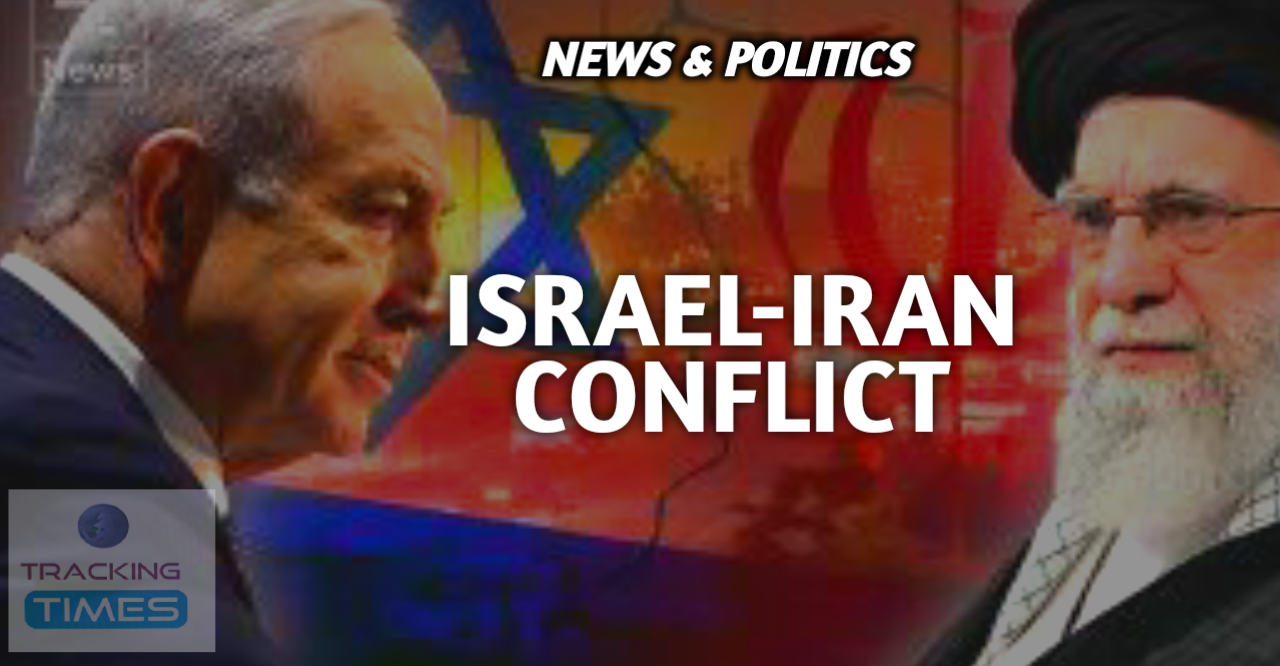
Quick Summary
- A temporary ceasefire between Iran and the U.S. was announced in April
- A separate Israel–Lebanon truce followed shortly after
- Both agreements remain fragile with repeated violations
- Ongoing strikes and tensions threaten a return to full-scale conflict
Introduction: A Region Paused, Not at Peace
The Middle East has entered a tense pause rather than a true peace.
A U.S.-brokered ceasefire between Iran and the United States, alongside a separate truce involving Israel and Lebanon, briefly reduced hostilities—but recent developments show the situation remains highly unstable.
1. Iran–U.S. Ceasefire: A Temporary Break
On April 8, 2026:
- Iran and the United States agreed to a two-week ceasefire
- The goal was to halt escalating attacks and open space for negotiations
- Iran signaled willingness to reopen key oil routes like the Strait of Hormuz
(The United Nations Office at Geneva)
However, the agreement came with deep unresolved issues, including:
- Iran’s nuclear program
- U.S. military presence in the region
- Control of strategic waterways
Recent reports show negotiations are ongoing, but progress remains slow.
2. Israel–Lebanon Ceasefire: Separate and Complicated
A separate U.S.-brokered ceasefire between Israel and Lebanon began around mid-April:
- Initially structured as a 10-day truce
- Aimed at halting fighting between Israel and Hezbollah
- Created room for diplomatic talks
But there’s a key complication:
The Iran–U.S. ceasefire does NOT automatically include Lebanon
This separation has made coordination difficult and fragile.
ALSO READ:
3. Violations and Renewed Strikes
Despite ceasefire agreements:
- Israeli strikes in southern Lebanon have continued
- Hezbollah has maintained drone and rocket attacks
- Civilian casualties and displacement remain high
(Reuters)
Even during periods labeled as “ceasefire,” both sides accuse each other of violations.
4. Iran’s New Peace Proposal
Iran has recently introduced a multi-stage peace plan, which includes:
- Full ceasefire across all fronts
- Lifting of U.S. economic and naval restrictions
- Future talks on nuclear and regional issues
The U.S. has responded cautiously, insisting on:
- Limits to Iran’s influence
- Guarantees on security and navigation routes
5. The Bigger Issue: A Fragmented Ceasefire
The core problem is this:
There is no single unified ceasefire
Instead, there are:
- Separate agreements
- Conflicting interests
- Ongoing proxy conflicts
This fragmentation makes the situation:
- Hard to control
- Easy to destabilize
6. Regional and Global Impact
The ceasefire—though fragile—has had major effects:
- Temporary stabilization of oil markets
- Reduced direct U.S.–Iran confrontation
- Continued humanitarian crisis in Lebanon
At the same time:
- Energy tensions remain due to Hormuz uncertainty
- Regional alliances are shifting
- Diplomatic pressure is increasing
7. What Happens Next
Three possible scenarios are emerging:
1. Extended Ceasefire
- Talks succeed
- Agreements expand to include all parties
2. Controlled Tension
- Low-level clashes continue
- No full-scale war, but no real peace
3. Renewed Escalation
- A major violation triggers wider conflict
- Regional war resumes
Conclusion: Peace on Paper, Tension on the Ground
The current ceasefire in the Middle East is fragile, fragmented, and under pressure.
While diplomacy has slowed the pace of conflict, the reality remains:
- Fighting has not fully stopped
- Trust between parties is low
- Key issues remain unresolved
The coming weeks will determine whether this moment becomes:
👉 A foundation for peace
—or—
👉 Just a pause before another escalation
Intellectual Property & Content Protection Notice
© 2026 TrackingTimes.co All rights reserved.
This publication, including its text, structure, analysis, headlines, and original reporting, is protected under applicable international copyright laws.
No portion of this article may be copied, reproduced, modified, republished, distributed, scraped, translated, or stored in any retrieval system without the express written consent of TrackingTimes.co.
Content scraping, AI training usage, unauthorized reposting, or monetized reproduction is strictly prohibited and may attract civil and criminal penalties.
For syndication or licensing requests, contact: trackingtimes@gmail.com