
Inspiration & Personal Growth
The Ultimate Guide to Practical Life Strategies for Long-Term Stability
A life strategy is a structured plan that aligns daily actions with long-term goals. It integrates financial planning, skill development, emotional discipline, health management, and adaptability to create sustainable stability.

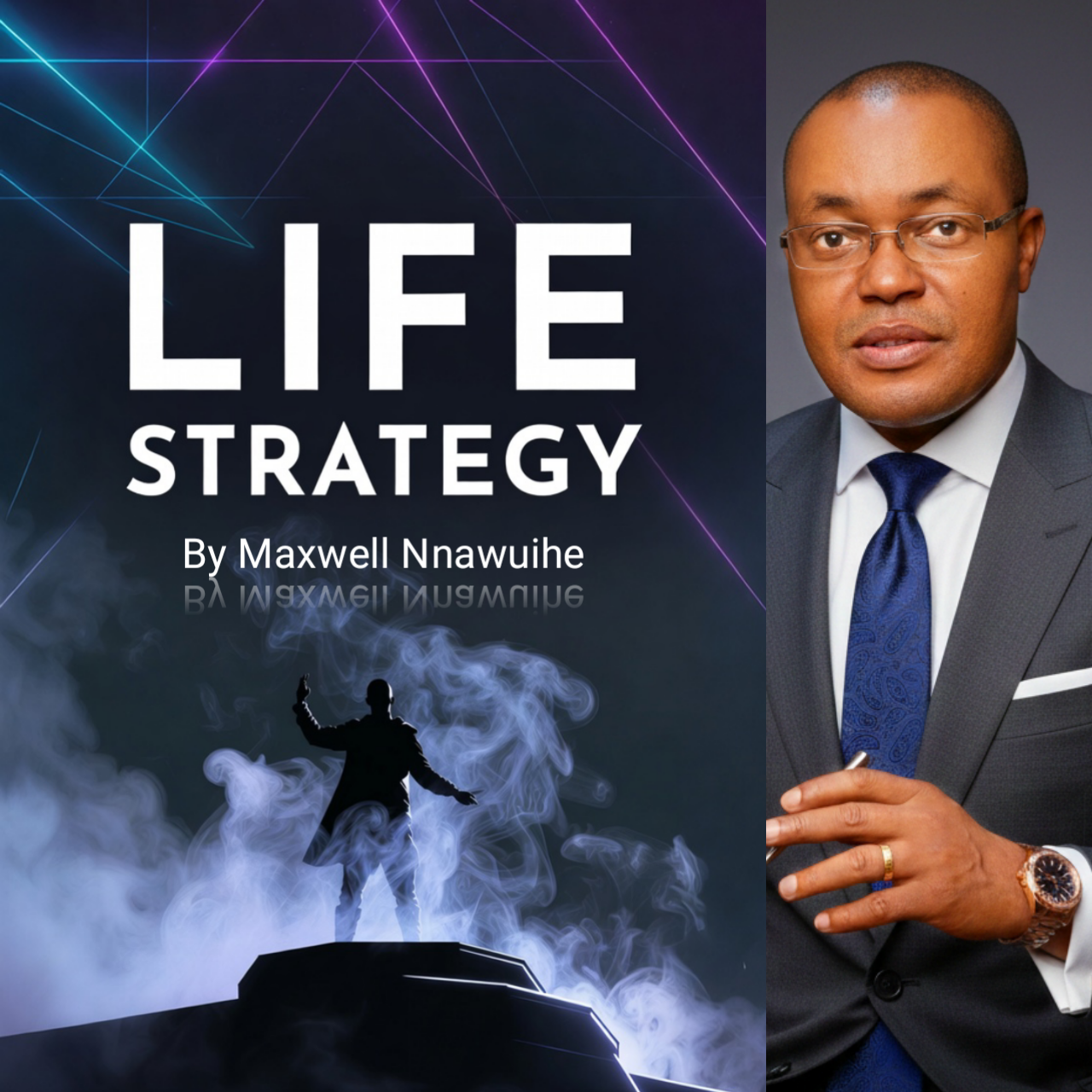
By Maxwell Nnawuihe | Published: March 21, 2026
Introduction: Why Life Strategy Is the Foundation of Stability
Our world is shaped by economic volatility, career disruption, and technological acceleration. Shifting social structures also contribute to this dynamic. Stability no longer happens by accident. It must be designed.
A practical life strategy provides a structured system for making decisions consistently over time. Without one, individuals often react emotionally to pressure, financial stress, and uncertainty. With one, they operate with clarity, discipline, and resilience.
This guide serves as a cornerstone resource for building long-term personal and financial stability.
What Is a Life Strategy?
A life strategy is a structured plan that aligns daily actions with long-term goals. It integrates financial planning, skill development, emotional discipline, health management, and adaptability to create sustainable stability.
Rather than reacting to circumstances, strategic living promotes proactive decision-making guided by clear priorities.
What Are the Core Pillars of Long-Term Stability?
The eight pillars of long-term stability are:
- Clear long-term vision
- Financial structure and discipline
- Continuous skill development
- Emotional control
- Health management
- Adaptive resilience
- Information discipline
- Structured daily systems
Together, these pillars form a complete framework for strategic living.
Pillar One: Long-Term Vision and Direction
Clarity reduces confusion.
A defined long-term vision includes:
- Career positioning
- Financial independence goals
- Personal development objectives
- Health and lifestyle priorities
Vision acts as a compass. It guides decisions and prevents distraction from short-term pressures.
When direction is clear, progress becomes measurable.
Pillar Two: Financial Strategy as a Stability Engine
Financial organization is central to long-term security.
A strong financial strategy includes:
Income Awareness
Understand earnings and income consistency.
Expense Discipline
Control spending to match priorities.
Savings Structure
Build emergency reserves and long-term funds.
Risk Management
Prepare for economic shifts and unexpected events.
Financial clarity reduces anxiety and increases flexibility during uncertain periods.
Pillar Three: Continuous Skill Development
The modern economy rewards adaptability.
Strategic individuals consistently invest in:
- Technical competencies
- Communication skills
- Leadership capacity
- Digital literacy
Skill growth protects earning potential and strengthens long-term career resilience.
Economic relevance is a strategic advantage.
Pillar Four: Emotional Discipline and Decision Control
Emotion influences decisions more than logic in many situations.
Emotional discipline requires:
- Delayed reactions
- Logical evaluation
- Separation of mood from strategy
Many financial and professional setbacks stem from impulsive responses.
Strategic calmness improves outcomes.
Pillar Five: Health as Strategic Infrastructure
Physical and mental health sustain long-term productivity.
Strategic health habits include:
- Structured routines
- Adequate rest
- Stress management
- Preventive care
Without health, ambition weakens. Stability depends on sustainable energy.
ALSO READ:
Pillar Six: Adaptive Resilience in Changing Conditions
No strategy remains static.
Economic downturns, policy shifts, global events, and personal challenges can disrupt plans.
Adaptive resilience includes:
- Regular strategic reviews
- Flexible execution
- Financial buffers
- Openness to new opportunities
Resilience strengthens long-term survival and growth.
Why Is Life Strategy Important in Uncertain Times?
Life strategy reduces reactive decision-making. It enables individuals to adapt to economic volatility, career instability, and policy shifts with clarity.
Strategic living increases resilience, reduces financial stress, and strengthens long-term stability.
Uncertainty rewards preparation.
Pillar Seven: Information Discipline in the Digital Era
Modern environments are saturated with information.
Strategic information management includes:
- Prioritizing credible sources
- Avoiding misinformation
- Limiting distraction
- Focusing on meaningful knowledge
Clear thinking depends on controlled information intake.
Clarity improves judgment.
Pillar Eight: Structured Daily Systems
Long-term stability is built through daily execution.
Effective systems include:
- Time-block planning
- Weekly reviews
- Habit tracking
- Priority-based scheduling
Consistency compounds.
Small disciplined actions create long-term transformation.
How Do You Build a Personal Life Strategy?
To build a structured life strategy:
- Define long-term priorities.
- Create financial organization systems.
- Commit to ongoing skill upgrades.
- Strengthen emotional discipline.
- Protect physical and mental health.
- Review and adjust plans quarterly.
Strategy becomes effective through consistent application.
Quick Summary: Life Strategy in 60 Seconds
Life strategy is intentional living guided by structured planning. It integrates financial discipline, skill development, emotional regulation, health protection, adaptability, and daily systems to create long-term stability.
Consistency transforms planning into results.
Common Mistakes That Undermine Stability
Even with strategy, mistakes occur.
Common errors include:
- Setting unrealistic goals
- Ignoring financial discipline
- Neglecting skill upgrades
- Reacting emotionally to setbacks
- Failing to adapt to change
Awareness prevents avoidable instability.
Conclusion: Stability Is Designed, Not Discovered
Long-term stability is not due to luck or chance. It is deliberately engineered through intentional decisions. It also requires structured decisions and consistent daily discipline. In an unpredictable world of 2026, true security emerges when we stop reacting to chaos. We must start designing our lives with clarity and purpose.
The most effective practical strategies weave together seven interconnected pillars into one cohesive system:
- A clear personal vision that guides every major choice
- Sound financial habits that build wealth and reduce stress
- Mental and emotional resilience to weather setbacks
- Continuous skill development to stay relevant and adaptable
- Emotional regulation that protects relationships and decision-making
- Proactive health and energy management as the foundation of everything else
- Small, non-negotiable daily execution rituals that compound over time
When these elements are aligned, what you do each morning, afternoon, and evening directly supports your five- or ten-year priorities. As a result, stability stops feeling fragile and starts feeling inevitable.
Strategic, intentional living doesn’t eliminate uncertainty; it transforms it into manageable, predictable progress. You become the architect of your calm rather than a passenger in someone else’s storm. Stability isn’t discovered by waiting for perfect conditions—it is built, brick by disciplined brick, starting today.
Intellectual Property & Content Protection Notice
© 2026 TrackingTimes.co All rights reserved.
This publication, including its text, structure, analysis, headlines, and original reporting, is protected under applicable international copyright laws.
No portion of this article may be copied, reproduced, modified, republished, distributed, scraped, translated, or stored in any retrieval system without the express written consent of TrackingTimes.co
Content scraping, AI training usage, unauthorized reposting, or monetized reproduction is strictly prohibited and may attract civil and criminal penalties.
For syndication or licensing requests, contact: trackingtimes@gmail.com