
Finance & Business
The 2026 Funding Revolution: How Accountability and Bionic Strategy Unlock Global Capital for African MSMEs
MSMEs can bridge the “trust gap” that has historically limited access to international liquidity. They do this by merging the human-centric values of Bionic Leadership with the rigorous standards of modern accountability.

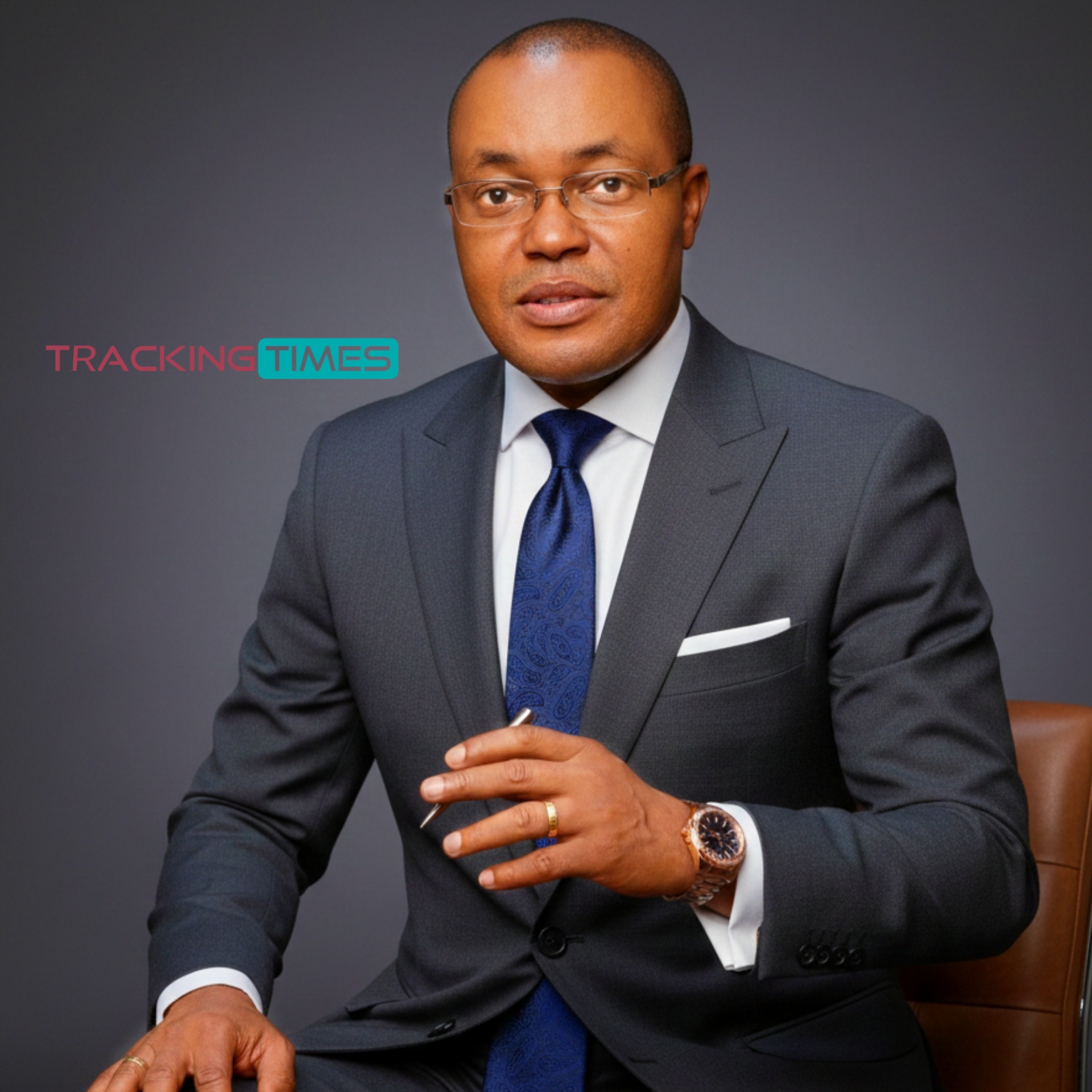
By Maxwell Nnawuihe / Published: March 20, 2026
1. The Introduction: The New Financial Paradigm
As we navigate the second quarter of 2026, the global financial landscape has undergone a fundamental shift. The traditional metrics of “Return on Investment” (ROI) have been superseded by a more complex, transparent metric: Accountable Alpha. We live in an era defined by geopolitical volatility. The rapid integration of Agentic AI has taken place. Global investors—from Silicon Valley venture capitalists to the African Development Bank—are no longer betting on “growth at all costs.” They are betting on Institutional Integrity.
This shift is not a coincidence. The high-level dialogues at the 70th Session of the Commission on the Status of Women (CSW70) played a role. The operationalization of the AU Accountability Framework also influenced this change. Now, the flow of capital is tied to a business’s ability to prove its ethical footprint. For the African entrepreneur, this represents a historic opportunity. MSMEs can bridge the “trust gap” that has historically limited access to international liquidity. They do this by merging the human-centric values of Bionic Leadership with the rigorous standards of modern accountability.
Question: What is Accountable Alpha in 2026?
Answer: Accountable Alpha is a financial metric. A company’s investment value is determined by its transparency. It also considers ethical AI usage and compliance with frameworks like the AU Accountability Framework.
2. Why “Integrity” is the New Collateral
For generations, small business owners in emerging markets faced a frustrating barrier. This included those in Lagos, Nairobi, Accra, or Port Harcourt. The issue was limited access to credit. Traditional lenders demanded tangible collateral like land titles, heavy machinery, or established credit histories that many entrepreneurs simply didn’t have. In 2026, that old rulebook has been rewritten. Data integrity and transparency have become the new collateral—often more valuable than physical assets.
Under the emerging global “Trust Protocol,” financial institutions, impact investors, and development banks now prioritize verifiable integrity over traditional guarantees. A small or medium-sized enterprise (SME) that maintains clean, cloud-verified records is seen as a lower-risk opportunity. These records include accurate financials, ethical data practices, timely tax filings, and clear governance. This is in contrast to a larger, opaque corporation that hides behind complex structures.
This shift is powered by AI-driven due diligence tools. These tools rapidly scan a business’s entire digital footprint. They examine website disclosures, social media engagement, customer reviews, privacy policies, and audit trails. When these signals show consistent transparency and accountability, lenders respond with lower interest rates, faster approvals, and better terms. Your cost of capital drops significantly, making growth more affordable and sustainable.
This is where forward-thinking work on Institutional Accountability—as explored in recent guides—turns into a real financial asset. By building and documenting ethical systems today, entrepreneurs across Africa and beyond create a powerful, intangible collateral. This collateral opens doors to funding and partnerships. It facilitates scaling under frameworks like AfCFTA. Integrity isn’t just the right thing to do. It’s now a smart business strategy. This strategy directly improves access to capital for everyone. It especially benefits underserved founders and diverse teams.
Key Insight: In 2026, a “High-Integrity” rating can reduce interest rates on business loans by as much as 3.5% in the West African market.
3. The “Bionic Finance” Strategy: Human Wisdom + AI Precision
In 2026, managing finances effectively demands more than spreadsheets and gut instinct. Welcome to Bionic Finance—the powerful fusion of artificial intelligence’s unmatched precision with human leaders’ irreplaceable wisdom, empathy, and judgment. This approach is redefining how inclusive, forward-thinking organizations—large and small—navigate today’s volatile, digital-first economy.
At its core, Bionic Finance delegates “technical debt” to reliable AI agents. These autonomous systems now effortlessly handle:
- Real-time tax compliance across multiple jurisdictions
- Automated payroll processing with instant anomaly detection
- Currency hedging and portfolio rebalancing in milliseconds
- Cash-flow forecasting powered by live market data
This frees leaders from repetitive number-crunching so they can invest their energy where machines still fall short: Relationship Capital.
When a regional currency suddenly fluctuates or supply-chain costs spike, AI can recalibrate budgets and flag risks almost instantly. The human leader steps in to deliver the Empathy Buffer. This involves clear, compassionate communication that keeps stakeholders calm. It maintains team morale and preserves trust. Bionic leaders personally negotiate with suppliers using nuance, cultural sensitivity, and long-term relationship-building—approaches that AI cannot replicate.
This balanced strategy includes lightning-fast execution from AI. It is combined with soulful, human-centered leadership. This approach is precisely what impact investors, ESG funds, and development finance institutions are prioritizing in 2026. They reward organizations that demonstrate both financial rigor and genuine stakeholder care.
For entrepreneurs, SMEs, women-led businesses, youth startups, and community-rooted enterprises across Africa and beyond, adopting Bionic Finance isn’t optional. It’s a competitive edge that drives sustainable growth. It attracts patient capital and builds resilient organizations where people and technology thrive together.
ALSO READ:
4. Leveraging the AU Framework for Cross-Border Funding
The AU Accountability Framework goes beyond being a compliance checklist. It functions as a powerful “Financial Passport” for African businesses in 2026. The African Continental Free Trade Area (AfCFTA) is now fully operational. With this development, certified MSMEs unlock seamless access to the Pan-African Payment and Settlement System (PAPSS). This innovative platform enables direct, low-cost transactions in local currencies. It reduces reliance on expensive intermediaries like the US Dollar. This approach dramatically reduces cross-border trade friction.
For entrepreneurs in Nigeria, Ghana, Kenya, or any AU member state, this certification levels the playing field. By diligently following the practical 5-step checklist, you can audit your digital footprint and update privacy policies. You should adopt open banking standards and secure verification badges. Also, document community impact. By doing this, your small or medium-sized enterprise gains instant credibility on the global stage.
An MSME owner in Lagos or Port Harcourt pitches confidently for a Green Bond from European impact investors. They could also seek an Inclusion Grant from Japanese development funds. With AU-aligned transparency, ethical data practices ensure your business is evaluated with trust. Verifiable financial records allow for the same rigor as established European or Asian firms. This isn’t theory—it’s the new reality of inclusive, borderless finance under AfCFTA.
Embracing the Framework transforms accountability from a burden into your strongest competitive advantage. It opens doors to diverse, patient capital. This fuels sustainable growth for businesses owned by women, youth, and underserved communities across the continent.
5. The “Accountable Alpha” Checklist for Investors
In 2026, investors—whether impact funds, venture capitalists, or development finance institutions—are no longer satisfied with flashy growth projections alone. They demand Accountable Alpha: measurable proof that a business combines strong financial returns with ethical, inclusive, and resilient operations. Entrepreneurs pitching in Lagos, Nairobi, Accra, or any location in Africa need to focus on four key bionic elements. These elements must be included in your pitch deck to stand out and secure funding.
- Algorithmic Transparency
Clearly demonstrate that any AI tools, agents, or analytics you use are ethical. They should be audited for bias. Ensure they are compliant with data sovereignty standards. Include third-party audits or open explanations of decision-making logic—investors want assurance that technology amplifies fairness, not harm. - ESG Verification
Provide real-time, verifiable data on your environmental footprint, social contributions, and governance practices. Link your impact directly to global benchmarks. Pay special attention to CSW70 gender equality goals. These include women in leadership, fair pay, and community empowerment. Live dashboards or blockchain-verified reports build instant credibility. - Governance Proof
Show evidence of an active, diverse board of advisors. Ensure the team reflects gender, youth, regional, and cultural inclusion. Highlight regular meetings, independent oversight, and documented accountability mechanisms—proof that decisions are made responsibly and inclusively. - Resilience Mapping
Present a clear 12-month “Bionic Strategy.” This plan will outline how your business will navigate geopolitical volatility, currency fluctuations, supply-chain risks, and climate disruptions. You will leverage AI precision alongside human judgment. This approach ensures agility and protects stakeholder value.
Incorporating these elements signals that your venture is built for sustainable, long-term success in today’s trust-driven economy. Investors reward accountability with faster capital and better terms—making this checklist your new competitive edge.
6. Conclusion: The Wealth of the Transparent
The 2026 funding revolution is ultimately a win for the ethical leader. The “Architecture of Silence” that once protected corrupt or opaque systems has been dismantled by the demand for global accountability. Today, wealth flows toward those who can prove they are worthy of it.
For the African MSME, the message is clear: Your integrity is your greatest financial leverage. When you integrate Human Empathy with AI Strategy, and align with continental frameworks, you aren’t just building a business. You are building an investable legacy.
Intellectual Property & Content Protection Notice
© 2026 TrackingTimes.co All rights reserved.
This publication, including its text, structure, analysis, headlines, and original reporting, is protected under applicable international copyright laws.
No portion of this article may be copied, reproduced, modified, republished, distributed, scraped, translated, or stored in any retrieval system without the express written consent of TrackingTimes.co
Content scraping, AI training usage, unauthorized reposting, or monetized reproduction is strictly prohibited and may attract civil and criminal penalties.
For syndication or licensing requests, contact: trackingtimes@gmail.com