
News & Politics
US Troops in Nigeria: What It Means for Security, Regional Stability
The deployment began in early 2026. It is part of expanded security cooperation.

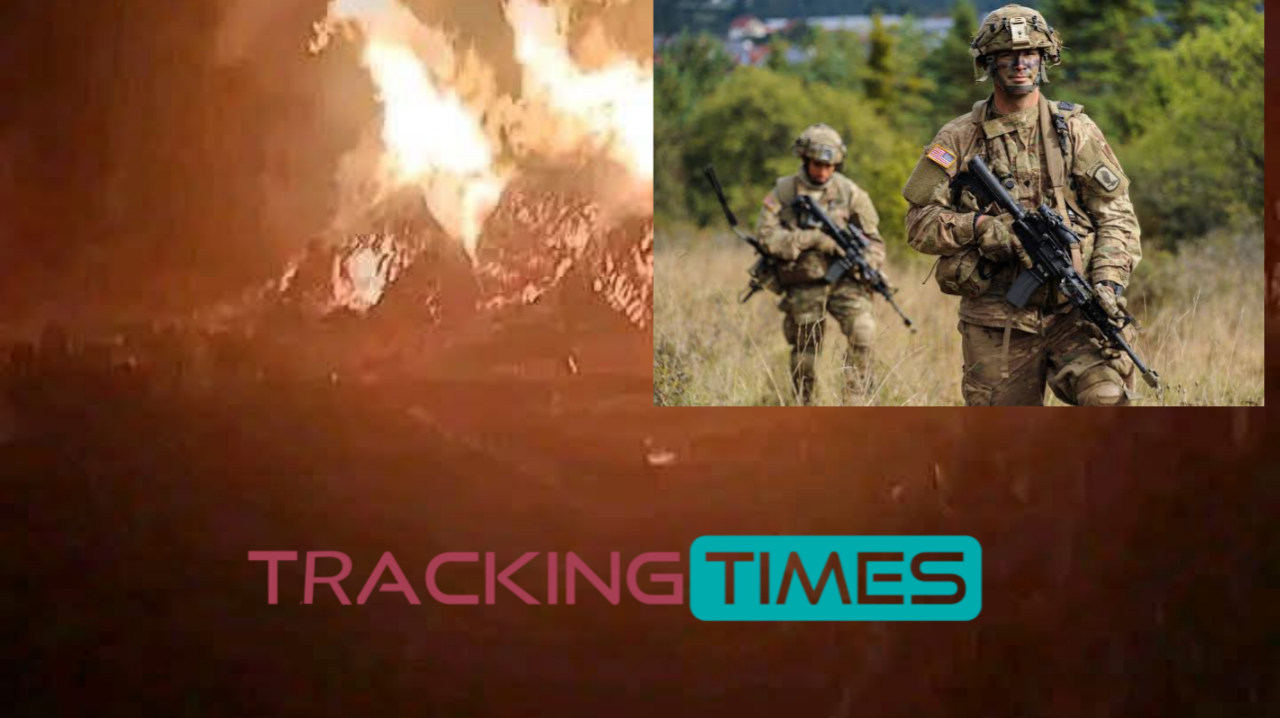
Why US Troops Are in Nigeria
The United States has deployed around 200 military personnel to Nigeria. They are there to assist with training. They provide intelligence sharing and logistical support for Nigerian security forces. (TRT World)
The mission focuses on strengthening Nigeria’s capacity to fight insurgent groups such as:
- Boko Haram
- Islamic State West Africa Province (ISWAP)
- Other armed militant networks operating across northern regions.
The deployment follows rising security threats in the region, where extremist attacks have targeted military bases and civilian communities. (AP News)
Training and Advisory Role
Nigerian authorities have clarified that the American troops are not leading combat operations. Instead, their role is limited to:
- Military training programs
- Intelligence sharing
- Surveillance support
- Technical assistance for counterterror operations.
Operational command remains under Nigerian military leadership. (Businessday NG)
The partnership is part of broader security cooperation between Nigeria and the United States through the U.S. Africa Command (AFRICOM).
Security Challenges in Northern Nigeria
Nigeria has faced a long-running insurgency for more than a decade. Armed groups in the northeast and northwest have carried out attacks on communities, military bases, and infrastructure.
Recent clashes have resulted in significant casualties among security personnel, highlighting the intensity of the conflict and the need for improved counterterror strategies. (The Guardian)
The violence has displaced millions of people and created one of the region’s most serious humanitarian crises.
Debate Over Foreign Military Presence
The deployment of foreign troops has triggered discussion among political leaders, analysts, and citizens.
Supporters argue that:
- International cooperation strengthens Nigeria’s fight against terrorism.
- Training and intelligence support can improve military capabilities.
- Partnerships help address transnational security threats.
Critics, however, warn that foreign military involvement could raise questions about national sovereignty and long-term dependence on external assistance.
Strategic Implications for West Africa
The US troop presence in Nigeria also reflects broader geopolitical developments in West Africa. Security instability in the Sahel region has increased the need for international cooperation against extremist networks operating across borders.
Nigeria, as Africa’s most populous country and one of the region’s largest economies, plays a central role in regional security.
Stronger military cooperation between Nigeria and international partners could influence the balance of security efforts across West Africa.
What Happens Next
The success of the deployment will likely depend on training effectiveness. Intelligence sharing and strategic coordination are also critical. These factors will improve Nigeria’s counterterrorism operations.
Key questions remain:
- Will the partnership significantly weaken extremist groups?
- Can Nigeria strengthen its own security institutions for long-term stability?
- How will public opinion shape future international military cooperation?
ALSO READ:
Quick Summary
The presence of United States military personnel in Nigeria has sparked debate across the country and beyond. The deployment began in early 2026. It is part of expanded security cooperation. The aim is to help Nigerian forces confront extremist groups operating in parts of the country.
While supporters see the move as a strategic step to strengthen security, others raise questions about sovereignty and long-term implications.
Key Takeaways
- The United States has deployed troops to Nigeria to support counterterrorism efforts.
- Their role focuses on training, intelligence sharing, and technical assistance.
- Nigerian forces remain in control of all military operations.
- The deployment reflects broader security challenges across West Africa.