News & Politics
Maduro Update: U.S–Venezuela Political and Economic Shift 2026
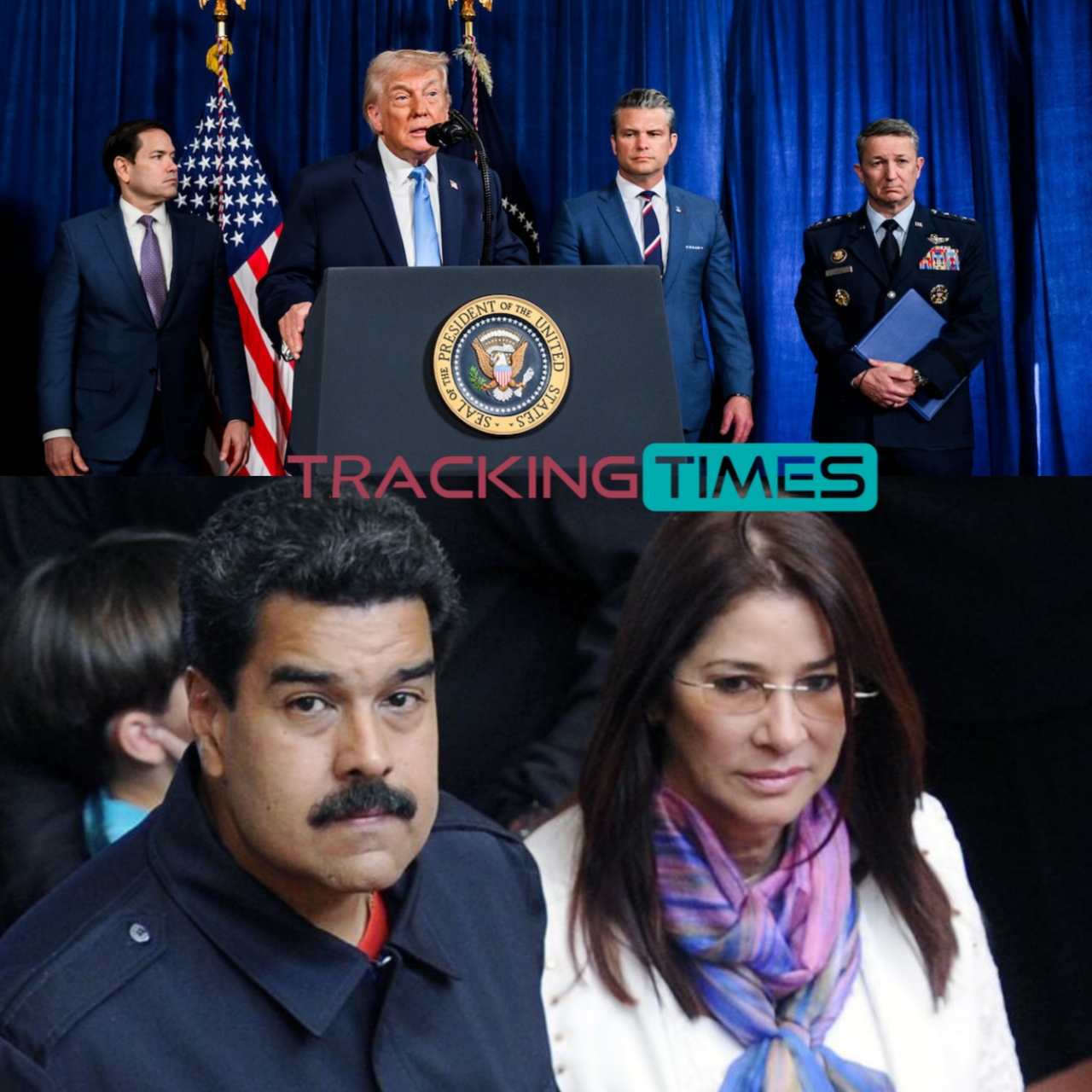
The United States has maintained firm diplomatic engagement regarding Venezuela’s leadership and governance.

Overview
The political landscape between the United States and Venezuela continues to evolve. In 2026, developments surrounding Nicolás Maduro have reshaped diplomatic discussions, economic outlooks, and regional stability in Latin America.
This update explains what is happening, what it means for citizens in both countries, and what may come next.
1. Political Developments in Venezuela
Recent changes in Venezuela’s political environment have led to:
- A shift in executive leadership discussions.
- Increased calls for democratic reforms.
- Renewed focus on political reconciliation.
- Public debate on constitutional processes.
Government officials have emphasized stability, while civil society groups continue to advocate for transparency and inclusive governance.
Citizens across political affiliations are watching closely as institutions navigate this transitional phase.
2. U.S.–Venezuela Relations in 2026
The United States has maintained firm diplomatic engagement regarding Venezuela’s leadership and governance.
Key developments include:
- Ongoing legal and diplomatic processes involving Maduro.
- Continued review of sanctions policy.
- Strategic dialogue around energy cooperation.
- Security and regional stability considerations.
These steps reflect broader U.S. foreign policy interests in Latin America.
3. Economic and Oil Sector Impact
Venezuela remains home to some of the world’s largest oil reserves. Political developments often influence:
- Oil production output
- International investment interest
- Sanctions adjustments
- Energy market pricing
Why This Is Important
- Oil exports significantly impact Venezuela’s national revenue.
- U.S. energy markets monitor supply changes closely.
- International companies are evaluating future partnerships.
Economic analysts suggest that policy clarity could determine whether production expands or remains restricted.
4. Regional and Global Reactions
Across Latin America and beyond, governments have responded with a mix of caution and engagement.
Common themes include:
- Calls for peaceful transition.
- Emphasis on democratic institutions.
- Protection of human rights.
- Avoidance of regional instability.
Multilateral organizations continue to encourage dialogue and constitutional solutions.
5. What Does It Means for Citizens?
For Venezuelans:
- Economic stability remains a priority.
- Social reforms are under discussion.
- Public services and inflation are key concerns.
For Americans:
- Energy prices and foreign policy strategy are affected.
- Diplomatic positioning in Latin America remains important.
For the global community:
- Oil supply adjustments influence markets.
- Political precedent impacts international relations.
ALSO READ:
U.S.–Venezuela 2026
Quick Data Points
- Political transition discussions ongoing
- Sanctions review under consideration
- Oil production strategically important
- Global diplomatic monitoring continues
Key Takeaways
- Nicolás Maduro remains central to ongoing legal and diplomatic developments.
- Venezuela’s internal political direction is evolving.
- The oil sector plays a critical economic role.
- International stakeholders are closely observing.
The situation remains fluid. As updates emerge, citizens, policymakers, and markets will continue to adapt.
Final Thoughts
The 2026 U.S.–Venezuela update represents more than a political headline. It reflects a broader conversation about governance, economic resilience, and regional cooperation.
Inclusive dialogue and peaceful processes will remain essential in shaping what happens next.
Stay informed as developments continue.