
Global Affairs
Iran–Israel–US War: A Deep Analysis of Escalation, Power, and Global Consequences
This is no longer a regional standoff. It is a high-stakes geopolitical conflict with global implications. It affects energy markets, international alliances, and security frameworks.

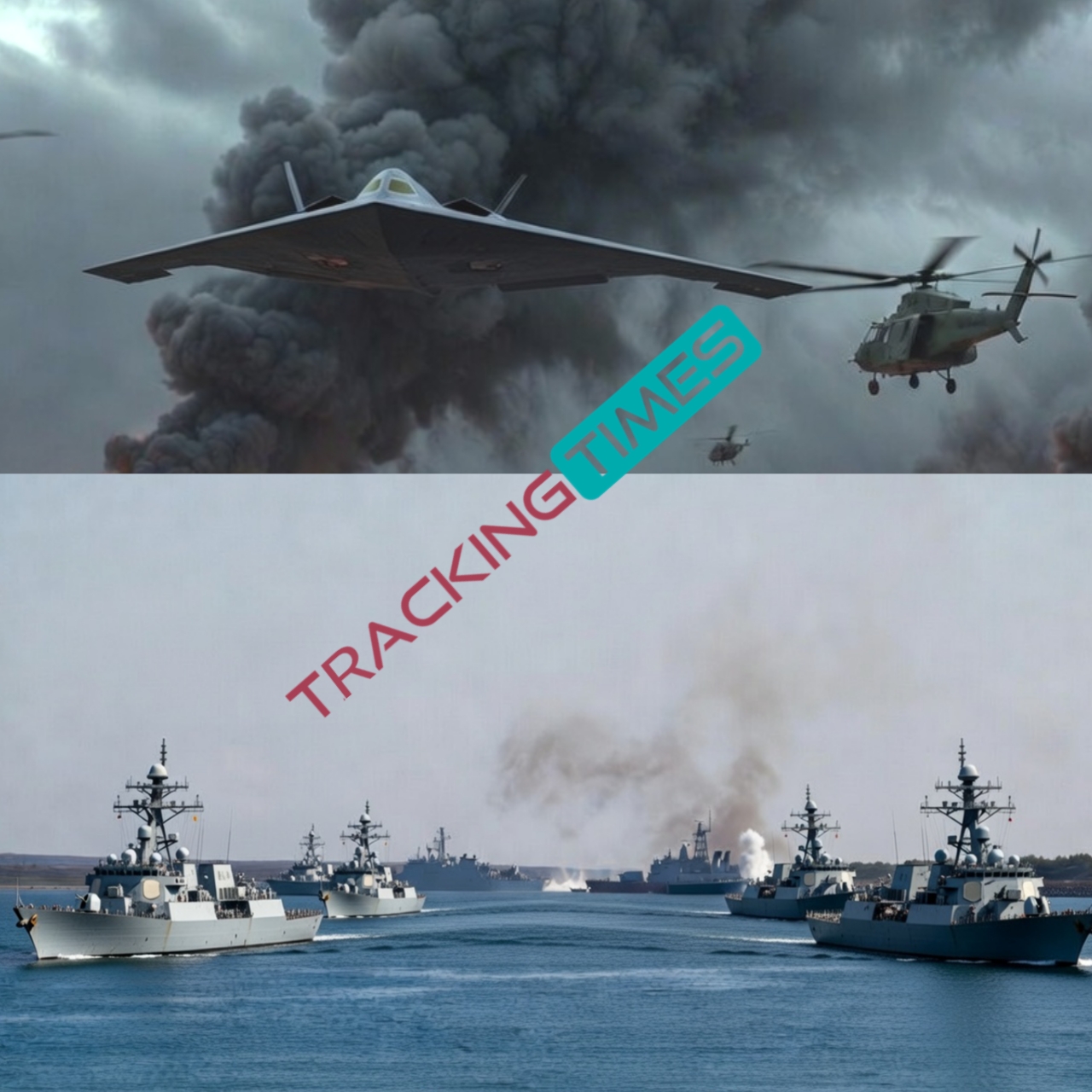
By Maxwell Nnawuihe | Published April 6, 2026
Introduction: A Conflict at a Dangerous Crossroads
The ongoing confrontation involving Iran, Israel, and the United States has entered one of its most volatile phases in decades. The conflict began as a shadow war. It was fought through proxies, cyber operations, and covert strikes. Now, it has evolved into direct and sustained military engagement.
This is no longer a regional standoff. It is a high-stakes geopolitical conflict with global implications. It affects energy markets, international alliances, and security frameworks. It also impacts the fragile balance of power in the Middle East.
Airstrikes are intensifying. Diplomatic efforts are struggling to keep pace. The world is watching a dangerous question unfold. Is this the beginning of a broader war, or the final escalation before forced diplomacy?
Historical Context: From Shadow War to Open Confrontation
For decades, tensions between Iran and Israel have simmered beneath the surface. Israel has consistently viewed Iran’s nuclear ambitions and regional influence as existential threats. Iran, in turn, has positioned itself as a counterforce to Israeli and Western dominance in the Middle East.
The United States has long been a strategic ally of Israel, providing military, intelligence, and diplomatic support. Over time, this alliance has deepened Iran’s hostility toward U.S. involvement in the region.
Historically, the conflict played out through:
- Proxy groups such as Hezbollah and other militias
- Targeted assassinations and sabotage operations
- Cyber warfare and intelligence battles
Recent developments have shifted the conflict into direct confrontation. This change removes layers of deniability. It significantly increases the risk of full-scale war.
The Current Military Phase: Precision Strikes and Strategic Messaging
The present stage of the war includes high-impact military operations. These feature coordinated strikes by Israel and the United States on Iranian targets.
Key Characteristics of the Escalation
- Targeting of Strategic Infrastructure
Military installations, intelligence facilities, and weapons depots have been primary targets. These strikes aim to degrade Iran’s operational capabilities. - Elimination of High-Value Targets
Reports indicate that senior Iranian military officials have been killed in precision strikes. This tactic is designed to disrupt command structures and create internal instability. - Iran’s Retaliatory Doctrine
Iran has responded through missile and drone attacks, as well as mobilizing allied groups across the region. - Psychological Warfare
Beyond physical damage, both sides are sending strategic messages—demonstrating strength, deterrence, and willingness to escalate further if necessary.
This phase reflects a transition from deterrence to controlled confrontation, where each side seeks advantage without triggering uncontrollable war.
The Strait of Hormuz: The World’s Economic Pressure Point
One of the most critical dimensions of the conflict lies in the Strait of Hormuz. This is a narrow waterway through which a significant portion of the world’s oil supply passes.
Why It Matters
- Approximately 20% of global oil shipments move through this route
- Any disruption can trigger immediate spikes in global energy prices
- It serves as a strategic leverage point for Iran
Current Risks
Iran has signaled that continued aggression could lead to restrictions or disruptions in the Strait. Even the threat of such action is enough to:
- Increase oil prices globally
- Affect inflation in developing economies
- Trigger panic in financial markets
For countries like Nigeria, which are both oil producers and import-dependent in refined products, the implications are complex. These conditions offer potential revenue gains. However, they also create domestic economic strain.
Regional Spillover: A Conflict Expanding Beyond Borders
The war is no longer confined to Iran and Israel. It is spreading across multiple fronts in the Middle East.
Lebanon and Hezbollah
Hezbollah, backed by Iran, remains a powerful actor. Escalation in southern Lebanon risks opening a second major front against Israel.
Syria and Iraq
Iranian influence in these regions provides strategic depth. Military activities here could intensify as Iran seeks alternative avenues for retaliation.
Gulf States
Countries in the Gulf are increasingly vulnerable, particularly in terms of:
- Energy infrastructure
- Maritime security
- Economic stability
The broader the conflict spreads, the higher the risk of multi-front warfare involving additional state and non-state actors.
The Diplomatic Push: Ceasefire Efforts Under Pressure
Despite escalating violence, diplomatic efforts are ongoing.
International mediators—including regional powers—are pushing for:
- A temporary ceasefire (reportedly around 45 days)
- Negotiations on de-escalation mechanisms
- Confidence-building measures
However, several obstacles remain:
Deep Distrust
Iran remains skeptical of U.S. intentions, while Israel questions Iran’s long-term commitments.
Timing and Leverage
Each side seeks to negotiate from a position of strength, making immediate compromise difficult.
Internal Political Pressures
Leaders on all sides face domestic expectations that limit flexibility.
Diplomacy, while necessary, is currently fragile and reactive, rather than proactive.
Global Power Dynamics: Where Major Powers Stand
The conflict is also reshaping global alignments.
United States
Firmly aligned with Israel, the U.S. is balancing:
- Military support
- Global diplomatic pressure
- Domestic political considerations
Russia and China
Both nations are closely observing the conflict, with potential interests in:
- Expanding influence in the Middle East
- Challenging U.S. dominance
- Positioning themselves as alternative mediators
European Union
European countries are primarily focused on:
- Preventing escalation
- Protecting energy supplies
- Supporting diplomatic solutions
This multi-layered involvement highlights that the war is not merely a regional conflict. It is part of a broader global power contest.
ALSO READ:
Economic Fallout: Energy, Inflation, and Market Instability
The economic consequences of the conflict are already being felt.
Energy Markets
- Oil prices have become highly volatile
- Supply chain disruptions threaten global stability
Inflation Pressures
Higher energy costs translate into:
- Increased transportation costs
- Rising food prices
- Economic strain on households
Investment Uncertainty
Global investors are reassessing risk exposure in:
- Middle Eastern markets
- Emerging economies
For developing nations, the impact is particularly severe, as they are more vulnerable to external shocks.
Humanitarian Impact: The Cost Beyond Strategy
While geopolitical analysis often focuses on strategy and power, the human cost cannot be ignored.
- Civilian casualties are increasing
- Infrastructure damage is disrupting daily life
- Displacement risks are rising
Humanitarian organizations warn that prolonged conflict could lead to:
- Refugee crises
- Food insecurity
- Long-term regional instability
At its core, this is not just a strategic conflict—it is a human one.
Strategic Scenarios: What Happens Next?
The trajectory of the war could follow several possible paths:
1. Controlled De-escalation
A ceasefire is reached, leading to negotiations and reduced hostilities.
2. Prolonged Limited Conflict
Ongoing strikes and counterstrikes continue without full-scale war.
3. Regional War Expansion
Additional countries and groups become directly involved.
4. Global Escalation
Major powers are drawn into direct confrontation—a scenario with far-reaching consequences.
Each scenario carries significant risks, with the margin for error narrowing as tensions rise.
Lessons for the World
The Iran–Israel–US war offers several critical lessons:
1. Fragility of Global Stability
Even localized conflicts can quickly escalate into global crises.
2. Importance of Diplomacy
Sustained dialogue is essential to prevent catastrophic outcomes.
3. Interconnected Economies
Events in one region can impact lives worldwide.
4. Need for Strategic Restraint
Military power must be balanced with long-term vision.
Conclusion: A Defining Moment in Global History
The current conflict between Iran, Israel, and the United States represents a defining moment in modern geopolitics. It is a test of leadership, strategy, and the international system’s ability to manage crisis.
The world is watching. The choices made in the coming days and weeks will shape the future of the Middle East. They will also influence the broader global order.
The stakes are immense:
- Peace or prolonged instability
- Cooperation or confrontation
- Resolution or escalation
Ultimately, the path forward will depend on whether leaders choose power alone—or power guided by wisdom.
Intellectual Property & Content Protection Notice
© 2026 TrackingTimes.co All rights reserved.
This publication, including its text, structure, analysis, headlines, and original reporting, is protected under applicable international copyright laws.
No portion of this article may be copied, reproduced, modified, republished, distributed, scraped, translated, or stored in any retrieval system without the express written consent of TrackingTimes.co
Content scraping, AI training usage, unauthorized reposting, or monetized reproduction is strictly prohibited and may attract civil and criminal penalties.
For syndication or licensing requests, contact: trackingtimes@gmail.com