
Purpose
The Architecture of Purpose: Why “Why” is the Most Critical Business Asset in 2026
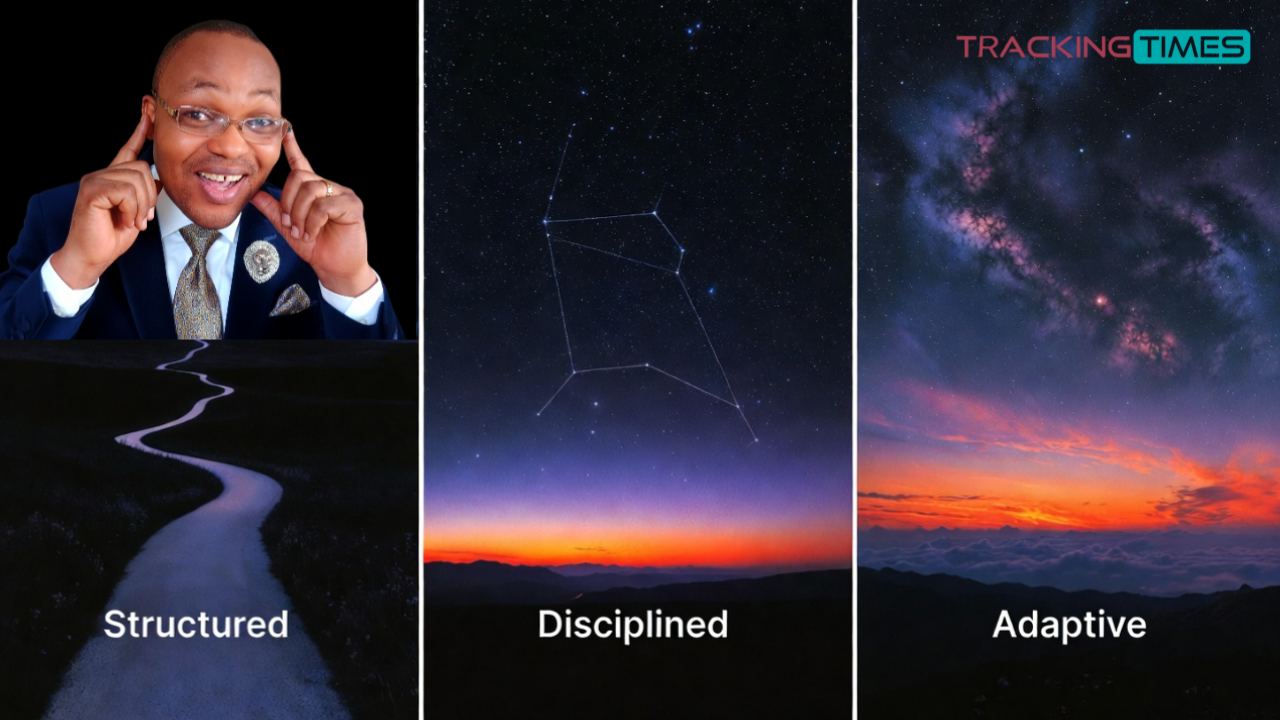
To build a resilient professional life in 2026, you must anchor your Purpose in four specific quadrants

By Maxwell Nnawuihe / Published March 22, 2026
1. Introduction: The Death of the “Profit-Only” Model
As we move deeper into 2026, the global workforce is facing a “Meaning Crisis.” In an era where Agentic AI can carry out technical tasks with 99% accuracy, professionals confront a significant question. The human professional is left asking, What is my role now? They wonder, What is left for me to do? The answer lies in Purpose. Your earlier deep dives into Institutional Accountability supplied the “How” of modern business. The insights into Bionic Leadership provided the “What.” Yet, this article explores the “Why.” Purpose is not just a mission statement on a wall. It symbolizes the Architecture of Resilience. It is the only asset that can’t be automated, outsourced, or replicated by a machine. Purpose is vital for the African MSME. It is equally vital for the global leader. It serves as the gravity that holds a bionic organization together. This is especially true. Geopolitical and technological shifts threaten to tear it apart. We have observed these shifts in recent times.
Looking through the unfiltered lens of reality in 2026, I realized that “Purpose” is no longer a luxury reserved for big corporations or idealistic visionaries. It has become the essential operational engine that keeps individuals and teams from burning out in an accelerating, AI-driven world. When algorithms handle speed and scale with relentless precision, a clear, deeply personal sense of purpose is essential. This purpose supplies the human fuel—meaning, direction, and emotional resilience. It is needed to stay engaged, creative, and mentally healthy amid constant change and pressure.
2. Purpose as “Cognitive Collateral”
In our recent analysis of The 2026 Funding Revolution, we discussed how integrity acts as financial collateral. Nonetheless, Purpose acts as Cognitive Collateral. In a high-speed digital economy, “Decision Fatigue” is the leading cause of leadership failure for some reasons. When a leader is anchored in a clear, non-negotiable Purpose, they gain a “Bio-Digital Filter.” They can instantly discern which AI tools to adopt, which partnerships to sign, and which “opportunities” are actually distractions.
- The Bionic Edge: A Purpose-driven leader uses AI to amplify their mission when necessary, not to find a mission. This clarity is what attracts the “Top Fans” and “Gold Members” of the future. People don’t buy what you do. They buy why you do it. I said that by experience. The “Why” is the core and the life-source of purpose.
Simon Sinek’s Golden Circle
Simon Sinek’s Golden Circle is a simple yet powerful framework. It was introduced in his 2009 TED Talk “How Great Leaders Inspire Action” (viewed over 60 million times). This framework is detailed in his bestselling book Start with Why. It explains why some leaders, organizations, and brands inspire deep loyalty and action. Others, though, merely compete on features or price.
The model is visualized as three concentric circles, like a bullseye target:
- Why (innermost circle): Your purpose, cause, or belief. Why does your organization exist beyond making money? What drives you at the core? This is the emotional, limbic-brain level that connects with people on values and meaning.
- How (middle circle): Your unique processes, values, and strategies. How do you bring your “Why” to life? This includes your guiding principles, culture, and differentiators.
- What (outermost circle): The tangible results—your products, services, or outputs. What do you actually do or sell?
Most people and companies communicate from the outside in. They start with What they do. Then they explain How they do it. They rarely touch Why. This appeals to logic but rarely inspires.
Inspiring leaders and brands reverse the order—they start with Why, then How, and finally What. This speaks directly to belief and emotion, attracting people who share the same values (e.g., Apple’s famous “Think Different” ethos inspires loyalty because people buy the “Why”—challenging the status quo—before the products).
In 2026’s fast-paced, AI-driven world, the Golden Circle remains timeless. It helps leaders cut through noise and build authentic connections. It fosters resilience and attracts “Top Fans” who buy into the purpose, not just the product. As Sinek often says, “People don’t buy what you do; they buy why you do it.”
3. Purpose vs. Performance: The 2026 Balance
There is a dangerous myth in 2026 that Purpose and Profit are at odds. On the contrary, the AU Accountability Framework actually rewards “Purpose-Led” institutions.
Why? Because Purpose-led businesses have higher employee retention and lower “Ethics Debt.” When a team understands the “Why” behind a 1,200-word cornerstone project, they execute with Bionic Precision. The same applies when they understand the purpose behind a 14-part video series. They aren’t just “editing content”; they are “building a legacy of transparency.”
- Actionable Insight: Align your business purpose with social progress. Social progress includes goals like the CSW70 goals of gender and economic inclusion. Doing this unlocks “Impact Capital.” Impact Capital is cheaper and more patient than traditional venture capital.
4. Constructing Your “Architecture of Purpose” (The 4 Pillars)
To build a resilient professional life in 2026, you must anchor your Purpose in four specific quadrants:
- Individual Sovereignty: Does your work respect your human need for rest and creativity? (The anti-burnout pillar).
- Institutional Integrity: Does your “Why” align with the Architecture of Silence—breaking down opacity and building trust?
- Community Impact: How does your MSME solve a specific, local problem in the African market?
- Generational Legacy: Will this work stay “Evergreen” in 2030, 2040, and beyond?
ALSO READ:
5. Purpose in the Age of AI Strategy
The most advanced Bionic Leaders of 2026 use AI to handle the “Mundane” so they can focus on the “Meaningful.”
If your Purpose is to “Empower African Entrepreneurs through Knowledge,” then spending 5 hours a day fixing robots.txt files or checking canonical URLs is a misuse of your human spark. You automate the technical (the “How”) so you can spend your human energy on the strategic (the “Why”).
The 2026 Mantra: Automate the task, but never automate the intent.
6. Conclusion: The Power of the Purpose-Anchored Leader
The 2026 global economy is a stormy sea of data, noise, and rapid change. Without a solid Architecture of Purpose, even the most technically advanced business will eventually capsize. These changes can be disruptive. But a leader who has defined their “Why” sees these changes as opportunities. They are tailwinds.
By merging Institutional Accountability with a deep, human-centric Purpose, you create an institution that is profitable. It also becomes indestructible. You are no longer just a content creator. You are also not just a digital publisher. You are a builder of the “New African Excellence.”
Intellectual Property & Content Protection Notice
Intellectual Property & Content Protection Notice
© 2026 TrackingTimes.co All rights reserved.
This publication, including its text, structure, analysis, headlines, and original reporting, is protected under applicable international copyright laws.
No portion of this article may be copied, reproduced, modified, republished, distributed, scraped, translated, or stored in any retrieval system without the express written consent of TrackingTimes.co.
Content scraping, AI training usage, unauthorized reposting, or monetized reproduction is strictly prohibited and may attract civil and criminal penalties.
For syndication or licensing requests, contact: trackingtimes@gmail.com