Featured
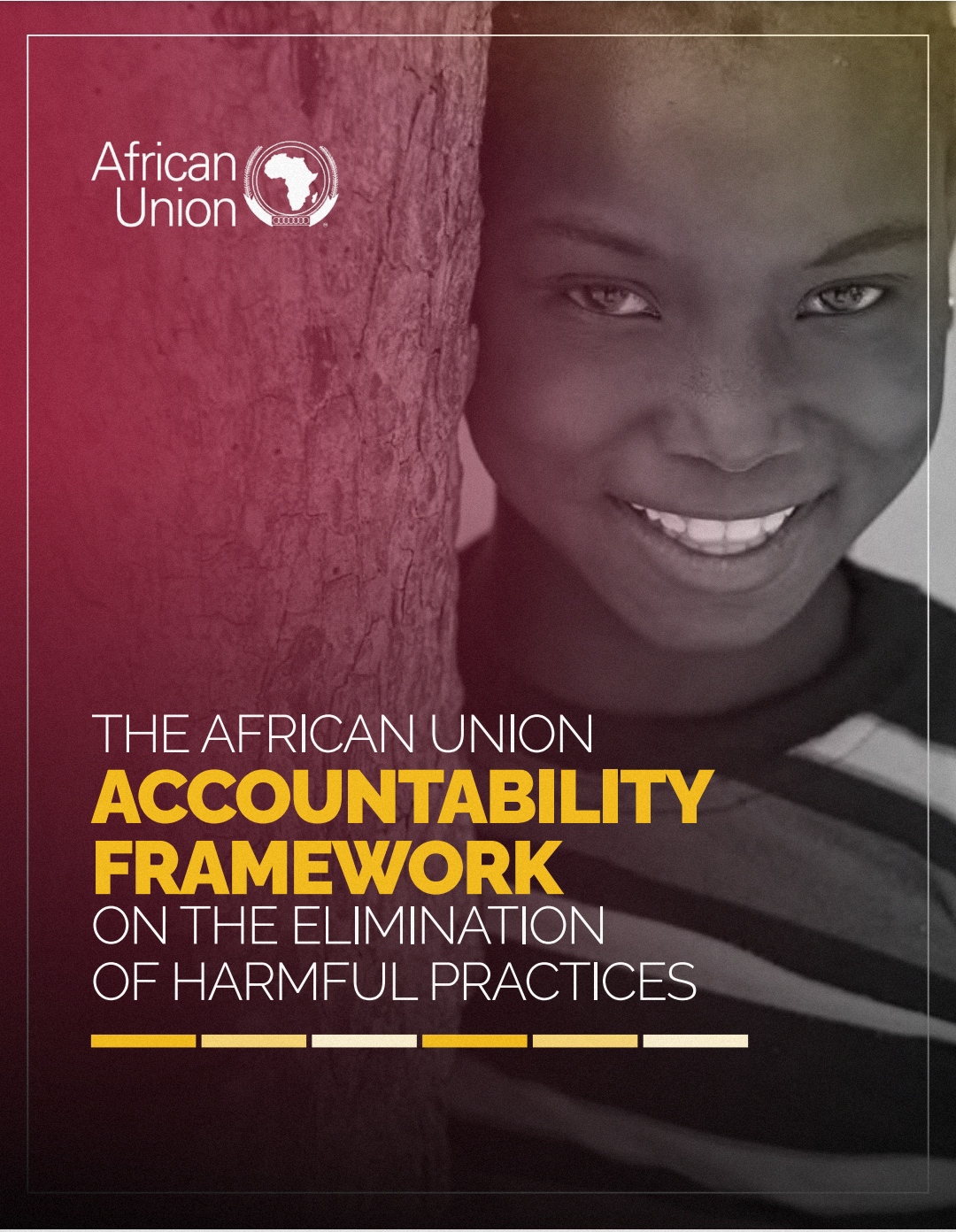
The AU Accountability Framework 2026: A Practical Implementation Guide for African MSMEs
As we navigate the complexities of 2026, those who align their operations with these continental standards do more than comply with policy. They secure their seat at the table of the future global economy.

By Maxwell Nnawuihe | Published: March 19, 2026
Introduction
In the rapidly evolving digital economy of 2026, the barrier between “local business” and “global player” has effectively vanished. However, this borderless opportunity comes with a new set of rules. As African markets integrate under the African Continental Free Trade Area (AfCFTA), the AU Accountability Framework has emerged as the definitive roadmap for institutional integrity. For Micro, Small, and Medium Enterprises (MSMEs), accountability is no longer a corporate buzzword. It is the essential infrastructure required to unlock international credit. It is needed to secure government contracts and build consumer trust in a “bionic” marketplace.
The high-level dialogues at the 70th Session of the Commission on the Status of Women (CSW70) in New York highlight the macro-political shifts toward transparency. However, the real work happens on the ground. For the modern entrepreneur, implementing these standards isn’t about red tape. It’s about adopting a “Digital-First” mindset. This mindset prioritizes ethical data handling, financial transparency, and social responsibility. As we navigate the complexities of 2026, those who align their operations with these continental standards do more than comply with policy. They secure their seat at the table of the future global economy.
The Power Summary
The AU Accountability Framework: 3 Non-Negotiable Pillars for 2026
- Data Sovereignty & Ethical AI: MSMEs must ensure that customer data is stored securely and handled with “Radical Transparency.” In 2026, proving “AU-Compliance” requires showing that your AI tools and algorithms do not harbor bias. They must also respect local privacy laws.
- Financial Integrity & Cloud-Verification: The era of fragmented bookkeeping is over. The Framework encourages a transition to “Cloud-Verified” accounting systems. These systems allow for real-time auditing. They significantly lower the risk profile for banks and venture capitalists.
- Social & Gender Inclusion: Aligning with the CSW70 “Inclusive Growth” mandates, the Framework rewards institutions that demonstrate measurable progress. It focuses on closing the gender gap. It also supports local community justice initiatives.
Section 1: The “Why” (The 2026 Context)
Why should a small business owner in Lagos, Nairobi, or Accra care about a “Framework” from Addis Ababa?
Imagine this: You’re a thriving MSME—perhaps a fashion boutique in Accra, a tech repair shop in Lagos, or an agribusiness exporter in Nairobi. Your dreams include scaling up. You also aim to access low-interest loans. Additionally, you want to tap into markets across the continent under the African Continental Free Trade Area (AfCFTA). In 2026, however, a quiet but powerful shift is happening. Simply being good at what you do is no longer enough. Access to credit, international partnerships, and even preferential trade benefits now hinge on demonstrating accountability and integrity.
The African Union (AU) Accountability Framework was spotlighted in high-level discussions. These include those at the 70th Session of the Commission on the Status of Women (CSW70) in March 2026. It emphasizes transparent, ethical, and inclusive operations. It’s not just a distant policy document from Addis Ababa—it’s becoming the new gatekeeper for growth. Lenders, investors, and AfCFTA partners increasingly require proof. They want assurance that your business handles data responsibly. They expect it to maintain clear financial records and promote inclusion. Without it, opportunities dry up.
The Answer: Because in 2026, Access to Credit and International Partnerships now require “Accountability Certification.”
The transition from informal trust-based systems to digital integrity is accelerating. AfCFTA’s Digital Trade Protocol was adopted earlier and will operationalize in 2026. Cross-border trade demands verifiable standards for data flows, payments, and compliance. Informal cash dealings or paper-only records limit eligibility for financing through programs like Afreximbank or blended finance initiatives. “Accountability Certification”—whether through AU-aligned badges, digital verifications, or compliance reports—signals reliability. MSMEs that adopt these standards gain easier access to credit (e.g., via AI-driven lending), partnerships, and markets, while those lagging risk exclusion in a continent projected to see massive digital economy growth.
Key Trend: The shift from “Informal Trust” to “Digital Integrity” as the new requirement for cross-border trade under AfCFTA.
This isn’t bureaucracy for its own sake. It’s about building trust in a digital single market. With AfCFTA aiming to boost intra-African trade significantly, digital tools for transparency reduce fraud, enable secure payments, and unlock funding. For everyday business owners, embracing this means survival and scaling in 2026’s competitive landscape.
Section 2: The 3 Pillars of the AU Framework for Small Business
The AU Accountability Framework builds on principles of transparency, inclusion, and ethical governance. It draws from broader continental commitments like Agenda 2063. It also considers recent CSW70 discussions on justice systems.
Pillar 1: Data Sovereignty & Privacy
In today’s digital world, every MSME collects customer data—phone numbers for orders, emails for marketing, or payment details. The Framework requires ethical handling, aligning with data protection laws and AfCFTA’s cross-border data rules. This means obtaining consent, securing data against breaches, and respecting user rights. For owners like Maxwell Nnawuihe, who champions institutional accountability, this pillar ensures businesses protect individuals while building trust. Poor practices lead to fines or lost partnerships; strong ones open doors to secure digital trade.
Pillar 2: Financial Transparency
Gone are the days of relying solely on paper ledgers or informal receipts. The Framework pushes MSMEs toward “cloud-verified” accounting—using digital tools for real-time, auditable records. This facilitates easier credit assessments, tax compliance, and investor confidence. Cloud systems provide tamper-proof trails, reducing disputes and enabling participation in open banking ecosystems emerging across Africa.
Pillar 3: Gender & Social Inclusion
Directly tied to CSW70 themes on equitable justice and empowerment, this pillar emphasizes diverse leadership. Businesses with women, youth, or underrepresented groups in decision-making roles attract more funding in 2026. Inclusive teams drive innovation and community impact, aligning with AU priorities. Demonstrating gender-balanced hiring, fair pay, or community support programs positions MSMEs for grants, loans, and AfCFTA advantages.
These pillars aren’t optional extras—they form the foundation for sustainable, credible growth.
Section 3: The “Bionic” Shortcut for MSMEs
Small teams don’t need expensive consultants or full legal departments to comply. Enter Agentic AI—autonomous tools that “do” the work: automating compliance checks, generating reports, and managing records.
For MSMEs, this “bionic” approach combines human oversight with AI efficiency. Agentic systems handle repetitive tasks like data privacy audits, financial logging, or inclusion tracking. This frees owners to focus on core business.
Recommended free or low-cost tools (2026 landscape):
- Google’s AI-powered Workspace features (including Gemini integrations): Automate document creation, privacy policy drafting, and basic compliance reminders. Free tiers support small teams with secure cloud storage for records.
- Local African FinTech solutions like Wave Accounting or QuickBooks Africa editions: They are cloud-based and mobile-friendly tools. These tools cater to verified bookkeeping, invoice tracking, and basic reporting. Many offer free starter plans. These plans come with exportable audit trails.
- Open-source or AU-aligned platforms (e.g., emerging PAPSS-integrated tools): For payment transparency and basic data sovereignty checks.
Start small: Use these to digitize records, set automated alerts for privacy updates, and generate simple compliance summaries. This shortcut levels the playing field, allowing even one-person operations to meet Framework standards without overwhelming costs.
ALSO READ:
Section 4: The 5-Step Implementation Checklist
Follow this practical roadmap to align your MSME with the Framework.
- Audit your Digital Footprint: Is your business “Searchable” and “Transparent”?
Review your online presence—website, social media, and e-commerce listings. Ensure contact details, business registration, and basic policies are visible. Use free tools like Google Search Console to check indexing and transparency. - Update your Privacy Policy
Create or revise a clear privacy statement explaining data collection, use, and protection. Reference best practices and include consent options. For inspiration, see examples like the Privacy page on trackingtimes.co, which outlines user data handling transparently. - Adopt “Open Banking” Standards
Integrate digital payment tools compliant with emerging AU-wide systems (e.g., PAPSS). This prepares you for seamless cross-border transactions and demonstrates financial transparency. - Verification: How to get the “AU-Compliant” badge for your website.
Monitor AU portals. Check AfCFTA resources for self-assessment tools or certification processes. Submit basic compliance declarations (e.g., data policies, financial summaries) to earn verifiable badges or seals for your site, boosting credibility with partners. - Community Impact: Documenting how your business helps your local community
Track and report contributions—jobs created, women/youth empowered, or environmental efforts. Use simple spreadsheets or AI tools to log impact, turning social good into a compliance asset.
Implement one step per week for steady progress.
Section 5: Conclusion & Leading with integrity in the Bionic Era
Executing the AU Accountability Framework is not just about ticking boxes for 2026 compliance. It represents a strategic repositioning for the future of African commerce. As MSMEs across the continent integrate with global value chains, businesses prioritize Institutional Accountability. Those that embrace Bionic Leadership will attract the most capital. They will also attract the most loyal customers.
The transition may seem complex. However, take these five steps today. You are future-proofing your business against the volatility of the global market. The era of the “unaccountable” institution is over—the era of the transparent, human-centric leader has begun.
What is your biggest hurdle in implementing digital accountability? Join the conversation in and comment below or read our deep dive on [Adaptive Leadership Strategy].
Intellectual Property & Content Protection Notice
© 2026 TrackingTimes.co All rights reserved.
This publication, including its text, structure, analysis, headlines, and original reporting, is protected under applicable international copyright laws.
No portion of this article may be copied, reproduced, modified, republished, distributed, scraped, translated, or stored in any retrieval system without the express written consent of TrackingTimes.co
Content scraping, AI training usage, unauthorized reposting, or monetized reproduction is strictly prohibited and may attract civil and criminal penalties.
For syndication or licensing requests, contact: trackingtimes@gmail.com