News & Politics
Top 10 Mistakes Voters Make And How to Fix Them
Whether it’s a local council election or a national referendum, the voter’s role is more than symbolic—it shapes destinies.

Introduction: Voting Beyond Emotions
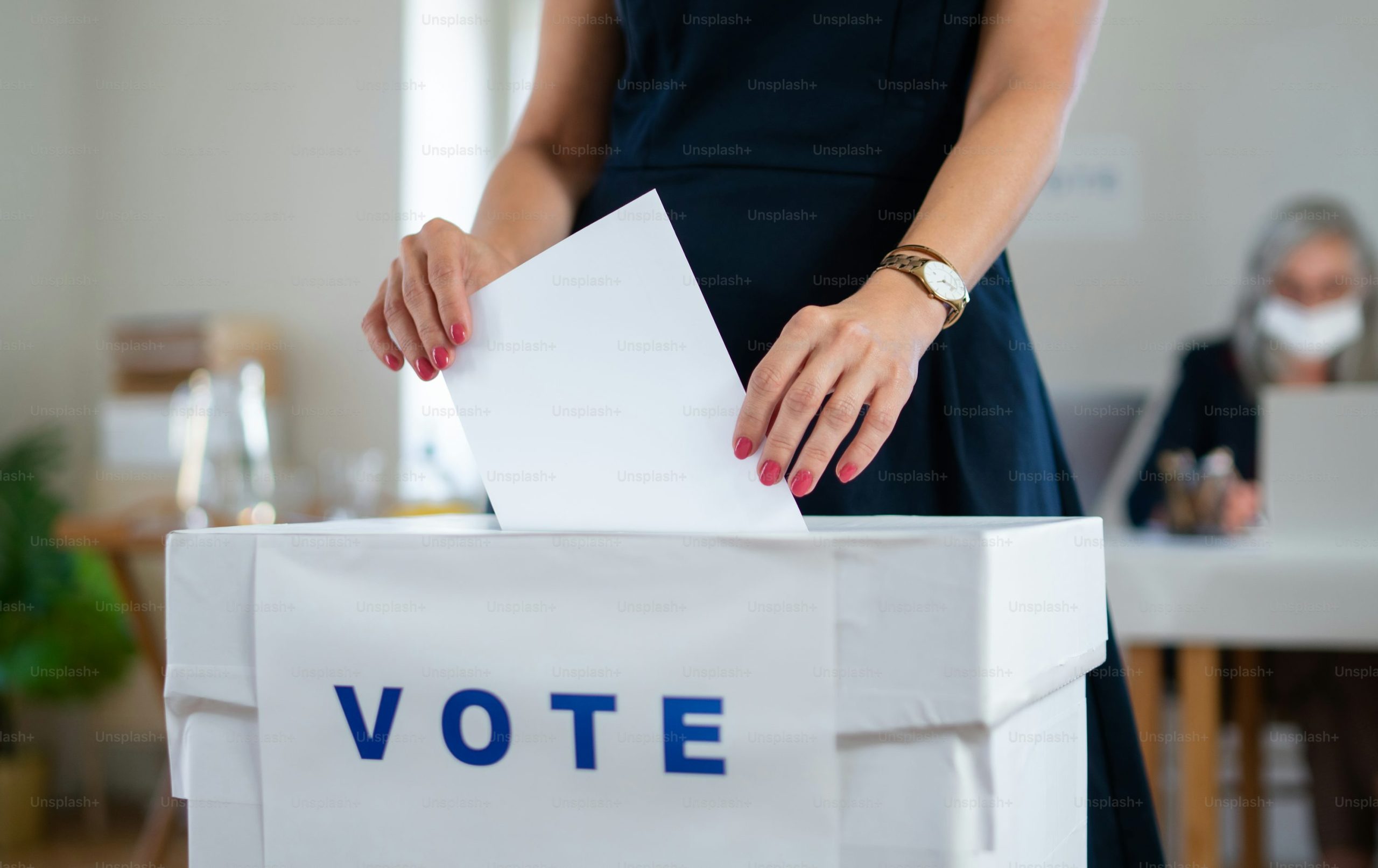
Every election season, millions of people line up to vote—but too few understand the true power and responsibility they carry. Whether it’s a local council election or a national referendum, the voter’s role is more than symbolic—it shapes destinies.
Yet many citizens still vote:
- Emotionally, not critically
- Reactively, not strategically
- Religiously, but not responsibly
In this article, we explore the top 10 voter mistakes. We also discuss how to fix them. This is achieved using a balance of civic wisdom and Christian discernment.
Mistake #1: Voting Based on Tribe or Religion Alone
Why It’s Dangerous:
This limits leaders to identity politics, not competence.
It fuels division and underperformance.
Solution:
Vote based on character, vision, and track record—not cultural ties.
📖 Biblical Reference:
“The Lord does not look at the things people look at… the Lord looks at the heart.” – 1 Samuel 16:7
Mistake #2: Ignoring Local Elections
Why It’s Dangerous:
Governors, local assembly members, and community heads affect:
- Healthcare
- Education
- Infrastructure
- Job creation
Solution:
Be as informed and involved in local elections as national ones.
Illustration:
A great president can be undermined by corrupt local government.
Mistake #3: Believing Politicians Without Fact-Checking
Why It’s Dangerous:
Many candidates exaggerate or lie for votes.
Solution:
- Use neutral fact-checking sites
- Watch debates critically
- Investigate past actions, not just current speeches
Case Study:
In the 2019 Nigerian elections, many promises about electricity, youth jobs, and education reform were made. A report by BudgIT showed that less than 30% of promised reforms were fulfilled.
Mistake #4: Selling Your Vote for Cash or Food
Why It’s Dangerous:
This entrenches corruption and poverty.
Solution:
Refuse inducements. Encourage others to vote their conscience, not their stomach.
Quote:
“If you sell your vote today, don’t complain about bad roads tomorrow.”
📖 Biblical Reference:
Esau sold his birthright for a meal—and suffered long-term regret (Genesis 25:29–34).
Mistake #5: Focusing Only on Personality, Not Policy
Why It’s Dangerous:
Charisma may win attention, but it doesn’t always translate to effective governance.
Solution:
Ask:
- What is their plan for healthcare, economy, education, and unity?
- Who are they surrounded by?
Mistake #6: Believing One Vote Doesn’t Matter
Why It’s Dangerous:
It fosters apathy and low voter turnout.
Solution:
Understand that every revolution starts with one decision. Voter education and consistent engagement create national shifts.
📊 Stat:
In the 2020 U.S. election, less than 45,000 votes in three states could have changed the entire outcome.
Mistake #7: Not Holding Leaders Accountable After Elections
Why It’s Dangerous:
It gives politicians a free pass to do whatever they want.
Solution:
Use social media, community town halls, legal systems, and media to demand transparency.
Christian Perspective:
Pray for leaders—but also hold them accountable to justice, fairness, and service.
Mistake #8: Ignoring Minority and Marginalized Voices
Why It’s Dangerous:
A truly democratic society values all voices, not just the majority.
Solution:
Vote for policies that protect the weak, the poor, and the underrepresented—not just the privileged.
📖 Biblical Principle:
“Speak up for those who cannot speak for themselves…” – Proverbs 31:8–9
Mistake #9: Assuming God Has No Place in Politics
Why It’s Dangerous:
This separates moral leadership from public governance.
Solution:
Support leaders who fear God, value human life, and are committed to justice.
🕊️ Balance:
Don’t vote solely based on religion—but don’t ignore your values either.
Mistake #10: Only Showing Up on Election Day
Why It’s Dangerous:
True democracy is built on daily participation—not once every four years.
Solution:
Engage with:
- Town hall meetings
- Community organizing
- Petition writing
- Peaceful protests
- Public commentary (like TrackingTimes.co does)
Bullet Summary: How to Be a Responsible Voter
- Research every candidate and issue
- Vote early and encourage others
- Refuse bribes or manipulation
- Support Christian values with critical thinking
- Stay involved after elections
✝️ Christian Voters Should Ask:
- Does this leader uphold justice and mercy?
- Will their policies benefit the poor and oppressed?
- Are they truthful and accountable?
- Will they promote peace and unity, not fear?
📚 Resources to Become a Better Voter
- YIAGA Africa Election Guides
- BudgIT’s Tracka platform
- The Politics of Jesus by John Howard Yoder
- God and Government by Charles Colson
ALSO READ:
- Should Christians Get Involved in Politics?
- How to Identify Fake News and Political Manipulation
- Navigating the Shift: A Guide to Global News and Politics in 2026
- Staying Motivated Amid Global Tension: Finding Strength in Uncertain Moments
Final Takeaway
Your vote is not just a civic duty—it’s a sacred responsibility. Governments rise and fall by the decisions of everyday people. Faithful citizenship means standing for truth, justice, and righteousness—not just in prayer, but in the polling booth.
“When the righteous thrive, the people rejoice; when the wicked rule, the people groan.” – Proverbs 29:2
Intellectual Property & Content Protection Notice
© 2026 TrackingTimes.co All rights reserved.
This publication, including its text, structure, analysis, headlines, and original reporting, is protected under applicable international copyright laws.
No portion of this article may be copied, reproduced, modified, republished, distributed, scraped, translated, or stored in any retrieval system without the express written consent of TrackingTimes.co.
Content scraping, AI training usage, unauthorized reposting, or monetized reproduction is strictly prohibited and may attract civil and criminal penalties.
For syndication or licensing requests, contact: trackingtimes@gmail.com