
Global Affairs
Mojtaba Khamenei and the War Reshaping the Middle East
Missiles, drones, and geopolitical tensions are reshaping the Middle East. The world now questions whether Mojtaba Khamenei will lead Iran toward deeper confrontation or eventual negotiation.

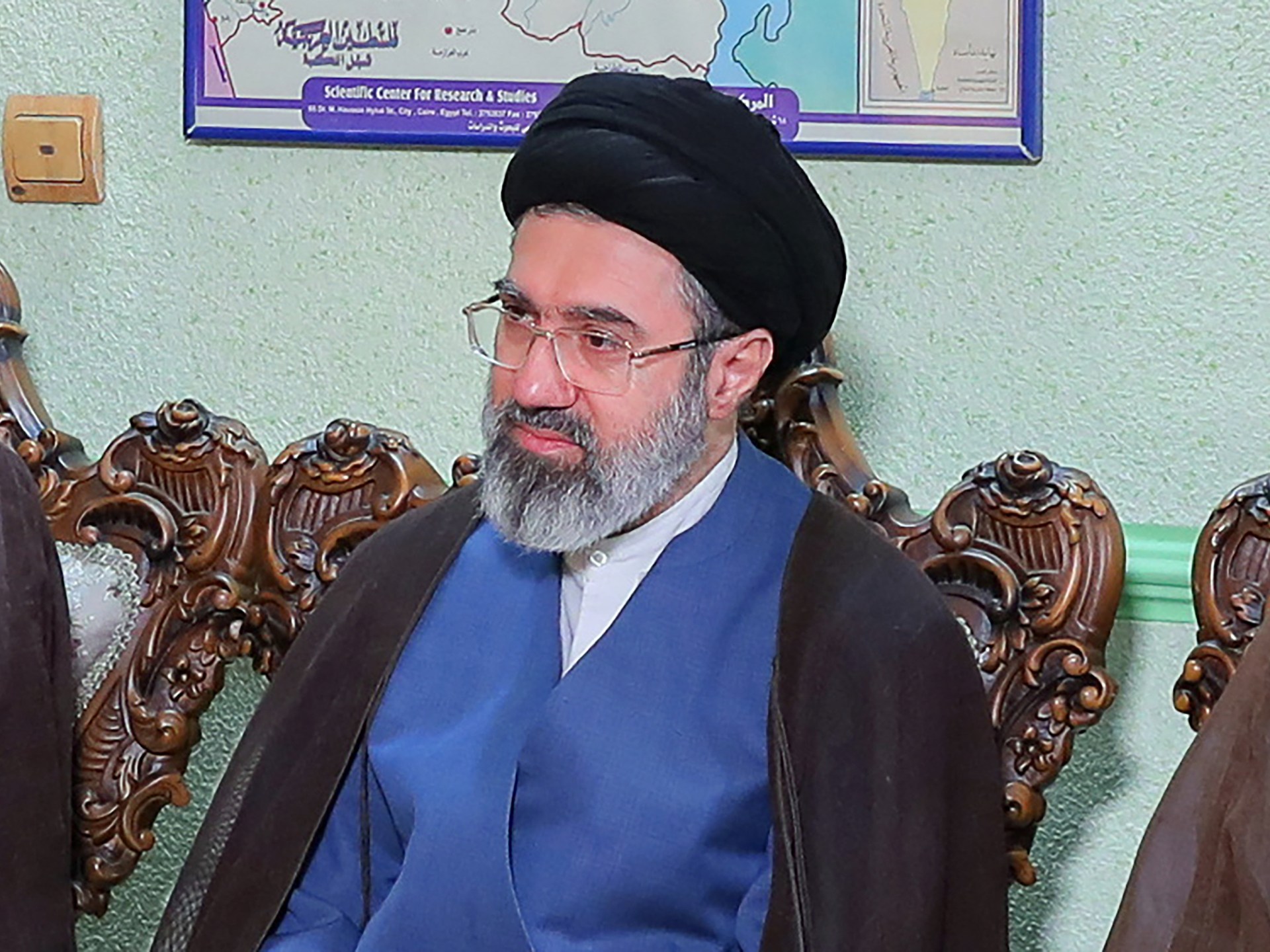
A Historic Leadership Transition
His elevation is historically significant for several reasons:
- First family succession in the Islamic Republic
- Leadership change occurring during active wartime
- A transition influenced by powerful security institutions inside Iran
The office of the supreme leader holds enormous authority in Iran. The position has ultimate control over the military, judiciary, intelligence agencies, and foreign policy direction of the state. (euronews)
For that reason, Mojtaba’s leadership immediately became a central factor in the future of the ongoing conflict.
Leadership Under Fire
Mojtaba Khamenei assumed power under extraordinary circumstances.
He was injured in the early phase of the conflict. Reports say his first public message as leader was delivered in written form. It was not through a live appearance. (Reuters)
In that message, he pledged that Iran would continue military resistance against the United States and Israel. Iran would apply strategic pressure through the Strait of Hormuz. This is a vital global oil route. (ایران اینترنشنال | Iran International)
This hardline tone indicates that Iran’s new leadership may continue the confrontational approach. They might even intensify the strategy that defined the final years of his father’s rule.
The War That Changed Iran
The conflict started on 28 February 2026. Israeli strikes targeted Iranian leadership, which triggered a wider conflict. This involved the United States and regional actors. (Wikipedia)
Since then, the confrontation has expanded across the Middle East.
Major developments include:
- Missile and drone exchanges across several countries
- Threats to block the Strait of Hormuz, a key global oil corridor
- Rising energy prices and global market instability
- Intensified alliances between regional armed groups
The conflict has already produced thousands of casualties and triggered major diplomatic tensions worldwide.
The Question of Legitimacy
Mojtaba Khamenei’s rise has also sparked debate inside and outside Iran.
Some observers see his leadership as a continuation of the revolutionary ideology established by the Islamic Republic’s founding leaders.
Others view it differently.
Critics argue that his succession resembles a dynastic transfer of power, something the Islamic Revolution originally sought to reject.
Despite these debates, Iran’s armed forces and powerful institutions quickly pledged allegiance to the new leader. This suggests that the state structure remains intact despite the war. (Wikipedia)
Iran’s Strategic Calculations
For Iran, the war is not merely a military confrontation.
It is also a strategic struggle over:
- Regional influence in the Middle East
- Nuclear policy and deterrence
- Control of global energy routes
- Domestic political legitimacy
The Strait of Hormuz remains one of Iran’s most powerful leverage points. Even the threat of disruption can affect global oil prices and international economic stability.
Under Mojtaba Khamenei, Iran appears determined to use every available tool. They employ military, economic, and diplomatic means. Their goal is to maintain strategic pressure.
Israel and the United States Response
Missiles, drones, and geopolitical tensions are reshaping the Middle East. The world now questions whether Mojtaba Khamenei will lead Iran toward deeper confrontation or eventual negotiation.
Both Israel and the United States have continued military operations against Iranian targets.
Their strategic objectives include:
- Weakening Iran’s military infrastructure
- Preventing the development of nuclear weapons
- Reducing the influence of Iran-aligned armed groups in the region
However, analysts warn that targeting Iranian leadership could strengthen hardline factions rather than weaken them.
History has shown that external pressure can sometimes consolidate internal political unity in wartime.
ALSO READ:
Global Implications
The war and leadership transition have implications far beyond the Middle East.
Global concerns now include:
- Energy supply disruptions
- Escalation into a wider regional conflict
- Increased tensions between major world powers
- Economic instability tied to oil markets
Countries around the world are closely monitoring developments. They know that the decisions made in Tehran, Washington, and Jerusalem could reshape international politics for years.
Quick Summary
Iran has entered a historic and uncertain phase. This follows the emergence of Mojtaba Khamenei as the country’s new supreme leader. This change occurs amid an escalating war involving Iran, Israel, and the United States.
His rise to power comes after the assassination of his father, Ali Khamenei, during a joint Israeli-U.S. strike in February 2026, an event that dramatically altered Iran’s political leadership and intensified the regional conflict. (Wikipedia)
The appointment of Mojtaba Khamenei marks the third supreme leadership in the history of the Islamic Republic. The Assembly of Experts elected him in early March 2026. This followed the sudden leadership vacuum created by his father’s death during the war. (Wikipedia)
Editorial Perspective
The emergence of Mojtaba Khamenei as Iran’s supreme leader during wartime represents a defining moment in modern Middle Eastern history.
Leadership transitions are rarely simple. Leadership transitions during war are even more consequential.
Mojtaba inherits his father’s political legacy. He also bears the immense burden of guiding a nation under military pressure and global scrutiny.
Whether his leadership moves Iran toward deeper confrontation or takes it toward eventual diplomatic engagement will be influential. It will affect not only Iran’s future but also the stability of the entire region.
At this moment, the world is watching closely. The decisions made in the coming months may shape the geopolitical order of the next decade.
Intellectual Property & Content Protection Notice
© 2026 TrackingTimes.co All rights reserved.
This publication, including its text, structure, analysis, headlines, and original reporting, is protected under applicable international copyright laws.
No portion of this article may be copied, reproduced, modified, republished, distributed, scraped, translated, or stored in any retrieval system without the express written consent of TrackingTimes.co
Content scraping, AI training usage, unauthorized reposting, or monetized reproduction is strictly prohibited and may attract civil and criminal penalties.
For syndication or licensing requests, contact: trackingtimes@gmail.com