
Finance & Business
The $100 Oil Threat: Iran Closes Strait of Hormuz Amid US-Israeli Strikes
Tehran has long used the threat of closing the Strait of Hormuz as its ultimate defensive paradigm. By blocking the passage, they retaliate against the United States and Israel for the assassination of their leader.

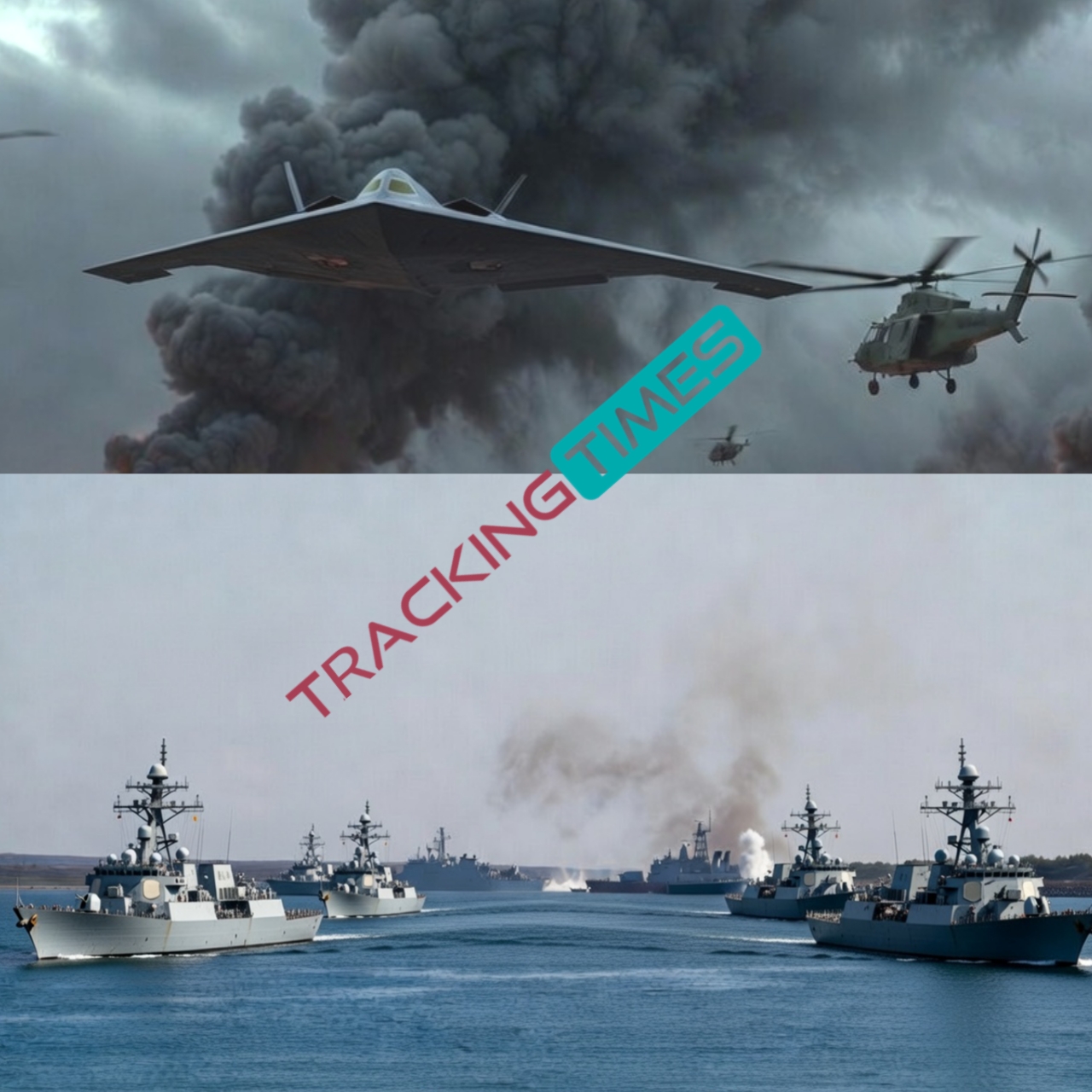
The global economy is facing its most severe energy crisis in decades. Following the confirmed death of Iran’s Supreme Leader, Ali Khamenei, in a joint US-Israeli air strike on February 28, 2026, the Islamic Revolutionary Guard Corps (IRGC) has executed its ultimate retaliatory measure. The measure IRGC chose was guarantee the total blockade of the Strait of Hormuz.
This chokepoint is a narrow waterway separating the Persian Gulf from the Gulf of Oman. It is the artery through which 20% of the world’s total oil consumption flows. A significant portion of liquefied natural gas (LNG) also flows through it. Tehran declared the Strait a “War Zone.” This decision has effectively held the global economy hostage. It triggered an immediate and violent spike in energy prices. This threatens to plunge the world into a deep recession.
Quick Summary: The Hormuz Crisis at a Glance
- The Blockade: Established March 1, 2026, by IRGC naval forces using anti-ship missiles and mines.
- Global Oil Impact: Brent crude surged 13% in a single trading session. It peaked near $82 per barrel. Projections indicate it could hit $100+ within days.
- The Military Standoff: US Central Command (CENTCOM) has launched Operation Epic Fury. The mission aims to neutralize Iranian coastal batteries. It also seeks to reopen the waterway.
- The Energy Crunch: QatarEnergy has halted LNG exports, cutting off a critical gas supply to Europe and Asia.
The Strategic Weapon: Why Iran Chose the Strait
Tehran has long used the threat of closing the Strait of Hormuz as its ultimate defensive paradigm. By blocking the passage, they retaliate against the United States and Israel for the assassination of their leader. They are also inflicting maximum economic pain on a global scale.
The blockade is a calculated move. It is designed to force international pressure on Washington and Tel Aviv. This aims to halt their ongoing aerial campaign, known as Operation Epic Fury. The campaign has systematically targeted IRGC command structures and nuclear infrastructure. The Iranian Leadership Council believes that a global economic collapse threat will force the UN Security Council to intervene. They anticipate it will demand an immediate ceasefire.
Global Energy Shock: The Race to $100 Oil
The immediate fallout on global markets has been catastrophic. On Monday, March 2, Brent crude—the international benchmark—witnessed a historic single-day jump. Trading volumes skyrocketed. Frantic energy traders scrambled to secure alternative supplies. This drove prices up by more than $9 per barrel.
Energy analysts at the Oxford Institute for Energy Studies warn. They foresee a potential impact if the blockade persists for more than 14 days. The psychological and physical shortage will drive Brent crude past $100 per barrel. This level has not been sustained since the 2008 financial crisis.
The Domino Effect on Gas and Markets
- Natural Gas Alert: European gas futures (TTF) jumped 41% as the market reacted to the suspension of Qatari LNG shipments.
- Market Sell-off: Global stock indices, particularly in Asia and Europe, opened deep in the red. Aviation and manufacturing sectors led the losses, reflecting fears of soaring operational costs and a global supply chain breakdown.
Operation Epic Fury: The Battle to Reopen the Strait
The United States and its regional allies have made it clear. A permanent blockade of the Strait of Hormuz is an unacceptable “red line.” CENTCOM works with the UK Royal Navy. It also partners with the Israeli Air Force. Their priority is the reopening of the shipping lanes.
The US-Israeli Military Strategy:
- Neutralizing Coastal Defenses: Utilizing stealth B-2 bombers and carrier-based F-35s to strike IRGC anti-ship missile batteries along the Iranian coastline and on key islands like Qeshm and Hormuz.
- Minesweeping Operations: Advanced unmanned underwater vehicles (UUVs) are being deployed. These vehicles locate and neutralize hundreds of “smart mines.” It is believed that the IRGC deployed these mines across the shipping channel.
- Convoy Protection: The US Fifth Fleet, based in Bahrain, has begun organizing armed convoys. These convoys escort the few tankers willing to risk passage. This strategy is high-risk. It has yet to be fully implemented.
A senior Pentagon official, speaking on the condition of anonymity, stated: “We are not just aiming to reopen the Strait. Our goal is to eliminate Iran’s capability to ever close it again.”
Regional Chaos: The Human and Political Cost
The military escalation in the Gulf has triggered a profound human crisis. The blockade has turned the region into an active war zone. Subsequent coalition airstrikes have exacerbated the situation, leaving thousands of foreign nationals and migrant workers stranded.
South Asian Migrant Workers Caught in the Crossfire
The millions of migrant workers from India, Pakistan, Bangladesh, and Nepal are perhaps the most overlooked victims of this conflict. They form the backbone of the Gulf’s economy. With airports in Dubai and Doha operating on a highly restricted basis, these individuals are unable to flee. Consular services are overwhelmed. There are growing concerns about food and water security for these vulnerable populations if the conflict sustains.
The European Union’s Emergency Response
For the European Union, the blockade is an existential threat. The EU had grown heavily reliant on Qatari LNG following the energy decoupling from Russia in 2022. The EU has convened an emergency meeting of energy ministers to coordinate a response.
ALSO READ:
The EU Strategic Roadmap:
- Mandatory Demand Reduction: Implementation of immediate energy rationing measures for industrial and residential sectors.
- Scramble for Alternatives: Pipelining natural gas from Norway and Algeria at maximum capacity and increasing imports of US shale gas.
- Strategic Oil Reserve Release: The International Energy Agency (IEA) will coordinate the release of emergency oil stocks. This synchronized effort aims to stabilize the market.
European Commission President stated, “This is not just an energy crisis; it is a test of our collective resilience. We will not be blackmailed by a regime that seeks to weaponize the global economy.”
Conclusion: A Precarious Economic Future
The world stands on the precipice. The coming weeks will be crucial. They will show if the 2026 Middle East war remains a regional conflict. Alternatively, it could trigger a global economic catastrophe. The battle to reopen the Strait of Hormuz is not just a military operation. It is a fight for the stability of the global energy architecture.
TrackingTimes.co is monitoring the energy markets and naval movements 24/7. Stay tuned for breaking news on crude prices and Operation Epic Fury.
Interactive Pillar: Crisis Impact Analysis
| Metric | Pre-Blockade (Feb 27) | Current (March 2) | 1-Week Forecast (If Blockade Holds) |
| Brent Crude Price | $72.87 | $82.01 (+13%) | $98 – $112 |
| TTF Gas Price | €25.50 | €36.00 (+41%) | €50 – €65 |
| Global Market Status | Stable | Highly Volatile | Correction / Bear Market |
| Strait Passage | 100+ Vessels/Day | <5 Vessels/Day | Total Blockade |
Intellectual Property & Content Protection Notice
Intellectual Property & Content Protection Notice
© 2026 TrackingTimes.co All rights reserved.
This publication, including its text, structure, analysis, headlines, and original reporting, is protected under applicable international copyright laws.
No portion of this article may be copied, reproduced, modified, republished, distributed, scraped, translated, or stored in any retrieval system without the express written consent of TrackingTimes.co
Content scraping, AI training usage, unauthorized reposting, or monetized reproduction is strictly prohibited and may attract civil and criminal penalties.
For syndication or licensing requests, contact: trackingtimes@gmail.com