
Global Affairs
Regional Firestorm: Iranian Retaliation and Continuous US-Israeli Strikes
The IRGC’s “Axis of Resistance” has faced significant leadership losses. However, they have responded with what they term the “most devastating offensive in history.”

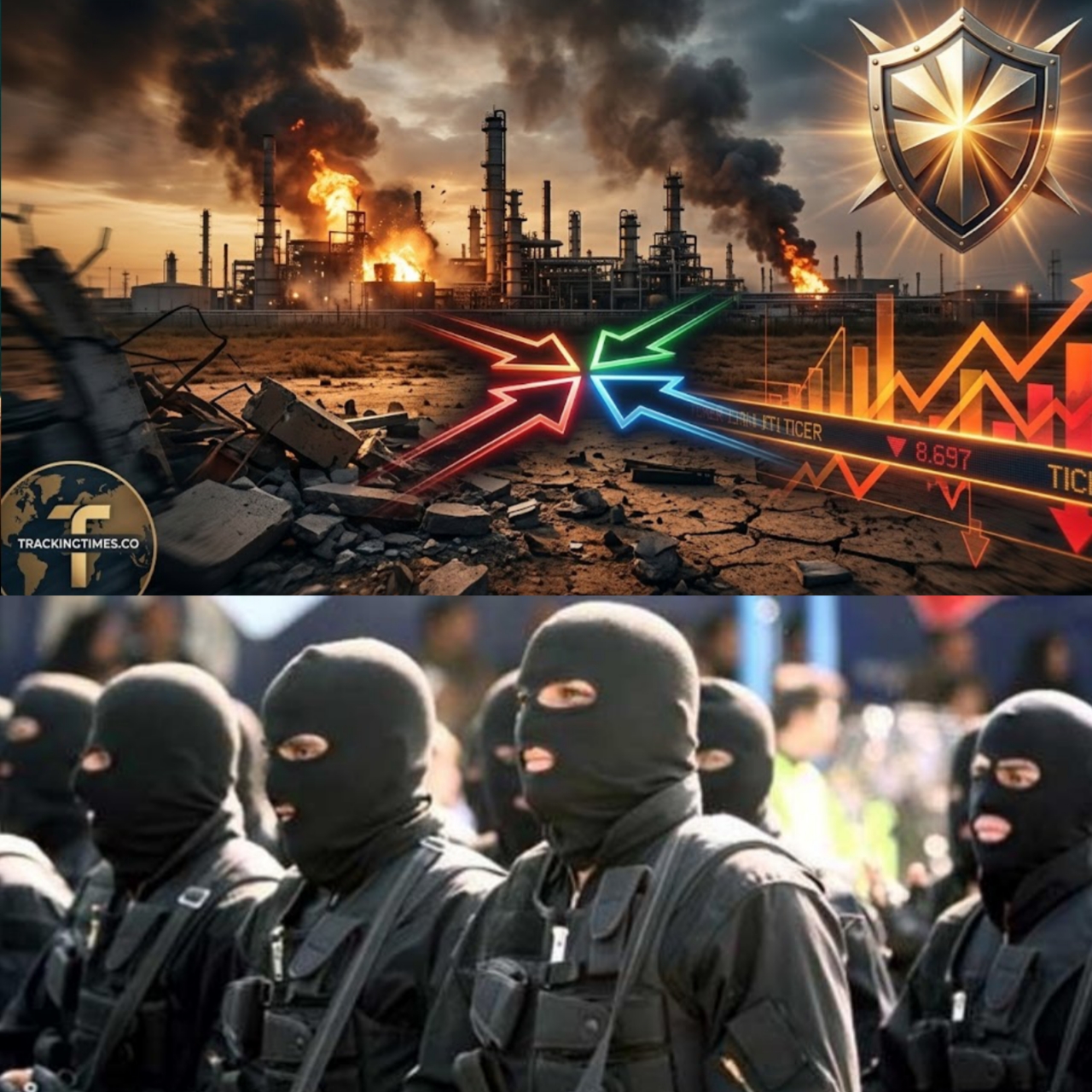
The Middle East has officially entered a state of regional war following a weekend of unprecedented military escalation. As of March 2, 2026, the conflict—dubbed Operation Epic Fury by Western forces—has transitioned from a targeted decapitation strike to a full-scale exchange of fire across multiple borders.
With the confirmation of Ali Khamenei’s death, the Islamic Revolutionary Guard Corps (IRGC) has bypassed traditional diplomatic channels. It has launched a “no-limit” retaliatory campaign against Israel. The campaign targets United States assets throughout the Gulf.
Quick Summary: Where the Conflict Stands
- US-Israel Focus: Dismantling IRGC command nodes, drone launch sites, and nuclear infrastructure.
- Iranian Retaliation: Ballistic missile and drone swarms targeting Israel and US bases in Qatar, UAE, and Bahrain.
- Economic Impact: Brent crude oil prices have surged 13% as Iran threatens the permanent closure of the Strait of Hormuz.
- Regional Fallout: Hezbollah has officially re-entered the conflict. They have launched rockets into Northern Israel. This is the first time since the 2024 ceasefire.
Operation Epic Fury: The US-Israeli Air Campaign
The joint coalition led by the United States and Israel has conducted over 2,000 strikes within the last 72 hours. The primary objective is to achieve total air superiority while “systematically dismantling” the Iranian military apparatus.
Core Strategic Pillars of the Strike:
- Command and Control: Strikes have leveled the IRGC joint headquarters in Tehran and the Aerospace Forces hubs.
- Nuclear Infrastructure: The IAEA reports no “permanent” damage to fuel cycle facilities. However, coalition forces have struck hardened sites near Natanz and Esfahan. This action aims to degrade long-term capabilities.
- Naval Superiority: The US Navy has reportedly sunk multiple Iranian patrol vessels. This action was taken to prevent a total blockade of global oil transit.
ALSO READ:
Tehran Strikes Back: The IRGC Counter-Offensive
The IRGC’s “Axis of Resistance” has faced significant leadership losses. However, they have responded with what they term the “most devastating offensive in history.”
For the first time, Iran has moved away from purely “proxy” warfare, launching direct strikes from Iranian soil into Israeli territory. The Iron Dome and Arrow systems have intercepted the majority of incoming munitions. Despite this, at least nine fatalities have been reported in Israel due to debris and direct hits on civilian centers.
Targeting the Gulf Allies
In a controversial move, Iran has launched drones and missiles at neighboring countries hosting US military bases. Reports confirm impacts near:
- Al Udeid Air Base (Qatar)
- Jebel Ali Port (Dubai, UAE)
- Kuwait International Airport
Iranian officials state that any nation providing “soil or airspace” for coalition strikes will be treated as an active combatant. This has created a deep security crisis for the Gulf Cooperation Council (GCC). They are now caught in the crossfire of a war they urged President Trump to avoid.
The Strait of Hormuz Crisis
The most significant global threat remains the maritime chokepoint of the Strait of Hormuz. The IRGC has issued warnings prohibiting all vessel passage, effectively stranding 20% of the world’s daily oil supply.
Maritime traffic has dropped by an estimated 70%, with insurance premiums for tankers reaching record highs. If the blockade persists, analysts predict oil could exceed $120 per barrel by the end of the week. This scenario could trigger a global inflationary shock.
What Happens Next?
As both sides exhaust their initial stockpiles of precision-guided munitions, the conflict sits at a crossroads. President Trump has stated that the “pinpoint bombing” will continue until the regime’s capacity to wage war is eliminated. Conversely, the newly formed Iranian Leadership Council shows no sign of surrender, viewing this as an existential struggle for the survival of the Islamic Republic.
TrackingTimes.co is monitoring the situation 24/7. Stay tuned for live updates on regional evacuations and diplomatic efforts at the UN Security Council.
Pillar Summary: Assets at Risk
| Sector | Impact Level | Primary Concern |
| Global Energy | Critical | Closure of the Strait of Hormuz. |
| Regional Security | High | Multi-front war involving Hezbollah/Houthis. |
| Aviation | Moderate | Total closure of Persian Gulf airspace. |
| Diplomacy | Low | Failed nuclear talks leave no room for ceasefire. |
Intellectual Property & Content Protection Notice
Intellectual Property & Content Protection Notice
© 2026 TrackingTimes.co All rights reserved.
This publication, including its text, structure, analysis, headlines, and original reporting, is protected under applicable international copyright laws.
No portion of this article may be copied, reproduced, modified, republished, distributed, scraped, translated, or stored in any retrieval system without the express written consent of TrackingTimes.co
Content scraping, AI training usage, unauthorized reposting, or monetized reproduction is strictly prohibited and may attract civil and criminal penalties.
For syndication or licensing requests, contact: trackingtimes@gmail.com