
Global Affairs
Iran Supreme Leader Ali Khamenei Killed: End of an Era in Tehran
On March 1, 2026, Iranian state media and the Supreme National Security Council made an official announcement. They confirmed the death of the 86-year-old leader, Imam Ayatollah Ali Khamenei.

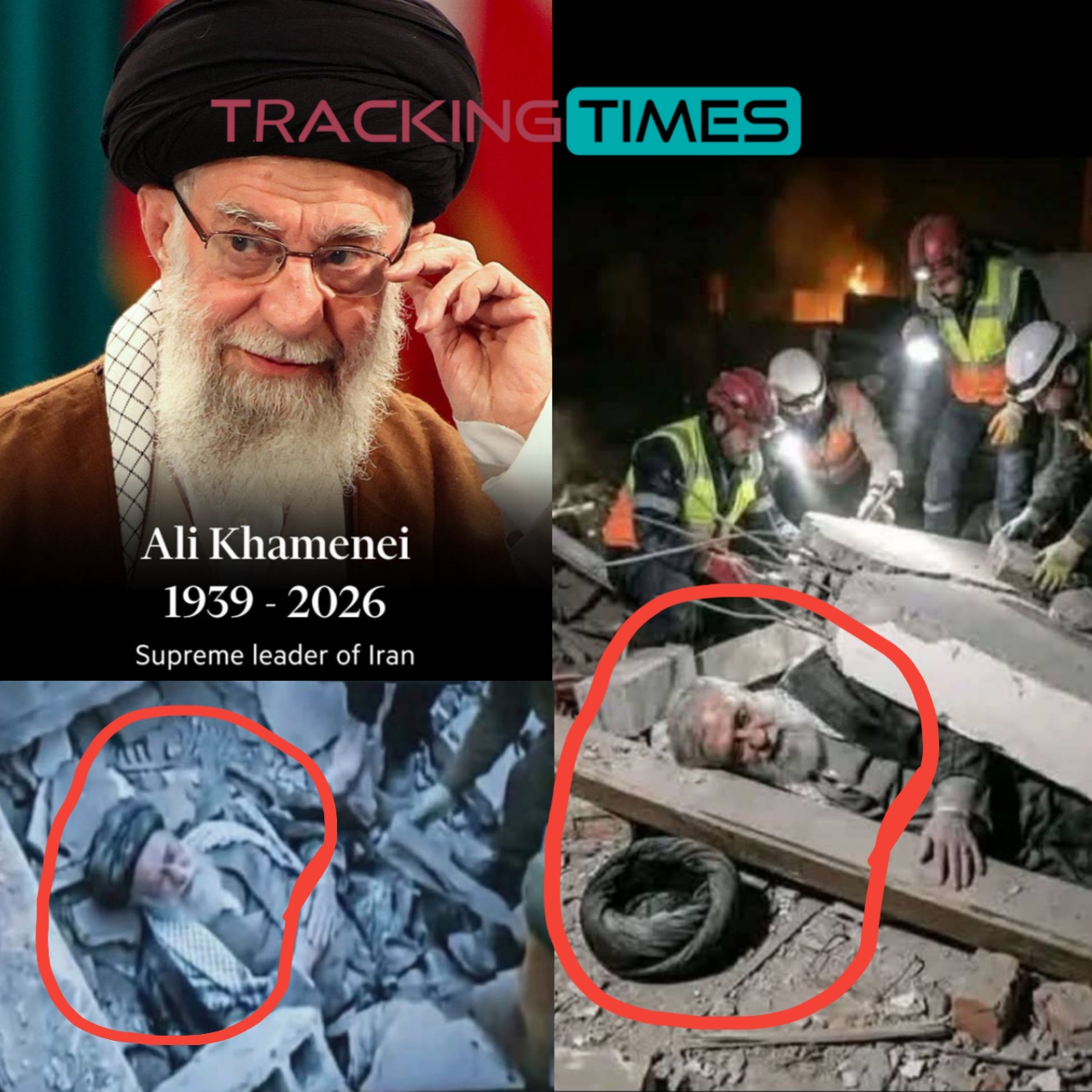
The Islamic Republic of Iran has entered a period of unprecedented domestic turmoil. It is also experiencing international turmoil. This follows the confirmed death of its Supreme Leader, Ayatollah Ali Khamenei. On March 1, 2026, Iranian state media and the Supreme National Security Council made an official announcement. They confirmed the death of the 86-year-old leader, Imam Ayatollah Ali Khamenei. He was killed during a high-precision, joint military operation. The operation was conducted by the United States and Israel.
The strike, which occurred late on February 28, 2026, targeted a central leadership compound in the heart of Tehran. The event marks the most significant shift in Iranian leadership since the 1979 Revolution. It brings an end to Khamenei’s 37-year reign. The situation plunges the Middle East into a state of high alert.


Quick Summary: The Fall of the Supreme Leader
- Incident Date: February 28, 2026.
- Official Confirmation: March 1, 2026, via Iranian State TV (IRIB).
- Cause of Death: Joint US-Israeli aerial bombardment/decapitation strike.
- Location: Central Leadership Compound, Tehran.
- State Response: 40 days of national mourning; 7 days of public holidays.
- Succession Status: Interim council formed; Assembly of Experts to convene.
The Strategic Strike: How it Happened
According to reports from the Israel Defense Forces (IDF) and verified by satellite imagery, the operation utilized advanced intelligence to pinpoint a gathering of high-ranking Iranian officials. The strike did not only claim the life of the Supreme Leader but also several key figures within the Islamic Revolutionary Guard Corps (IRGC) and the national security apparatus.
President Donald Trump, in a statement released shortly after the operation, described the strike as a “pinpoint” mission intended to “topple the existing regime’s ability to wage regional terror.” Meanwhile, Israeli Prime Minister Benjamin Netanyahu characterized the event as the “elimination of the head of the Iranian octopus,” citing Khamenei’s decades-long role in orchestrating proxy wars across the Levant and the Gulf.
National Mourning and Internal Chaos
In Tehran, the atmosphere is a polarized mix of deep grief and clandestine celebration. President Masoud Pezeshkian appeared on state television early Sunday, visibly shaken, to declare 40 days of mourning. He called the assassination a “great crime.” He also described it as an “open declaration of war.” He vowed that Iran would exercise its “legitimate right to revenge.”
Key Casualties Alongside Khamenei:
- Mohammad Pakpour: IRGC Commander-in-Chief.
- Abdul Rahim Mousavi: Armed Forces Chief of Staff.
- Aziz Nasirzadeh: Minister of Defense.
- Khamenei’s Family Members: Reports confirm his daughter, son-in-law, and grandson were also at the compound during the strike.
Loyalists gathered at the Imam Reza shrine in Mashhad to wail and pray. Meanwhile, unverified footage on social media showed small pockets of citizens in districts like Karaj and Isfahan. They were celebrating the end of a regime they view as oppressive.

The Succession Crisis: Who Leads Iran Now?
Per the Iranian Constitution (Article 131), the country has entered a transitional phase. A temporary council is currently overseeing state affairs. It consists of the President, the Head of the Judiciary, and a member of the Guardian Council. However, the real conflict occurs in the Assembly of Experts. This assembly is an 88-member body of clerics. They are tasked with choosing a permanent successor.
Potential Candidates for the Throne:
- Mojtaba Khamenei: The son of the late leader. He has long been rumored to be the “shadow successor.” His appointment would spark accusations of “hereditary clericalism.”
- Gholam-Hossein Mohseni-Ejei: The current Judiciary Chief, known for his hardline stance and deep administrative experience.
- Alireza Arafi: A senior cleric within the Guardian Council who represents theological continuity.
- Ali Larijani: He is the former Majlis Speaker. Larijani may emerge as a “stabilizing” figure if the IRGC seeks a pragmatic face for international negotiations.
The Institute for the Study of War (ISW) suggests that the IRGC may effectively bypass the clerical selection process. They aim to establish a military junta. This step ensures their vast economic interests remain protected during the power vacuum.
ALSO READ:
Geopolitical Implications: A Region on Edge
The death of Ali Khamenei has immediately redefined the “Axis of Resistance.” From Hezbollah in Lebanon to the Houthis in Yemen, proxy groups have vowed retaliation. Airspace across the Middle East was largely closed following the announcement. Major carriers like Emirates and British Airways suspended flights to the region.
The international community’s response has been split. Russia and China have condemned the assassination. They consider it a violation of international law. Vladimir Putin described it as a “cynical murder.” Conversely, the European Union has called it a “defining moment.” They urge all parties to show restraint to avoid a full-scale regional war.
The Legacy of the Second Supreme Leader
Ali Khamenei’s tenure (1989–2026) was defined by the “Heroic Flexibility” doctrine—a strategy of tactical compromise and ideological rigidity. He oversaw the expansion of Iran’s nuclear program. He brutally suppressed the 2022 Mahsa Amini protests. He also managed the more recent 2026 domestic uprisings.
His death marks the end of a 37-year effort to export the Islamic Revolution. The future of Iran is uncertain. It could become a more democratic “Green Revolution.” Alternatively, it might harden into a military dictatorship. This will depend on the events of the coming weeks.
Final Reflections: Tracking the Transition
As Iran begins its 40 days of mourning, the world not only watches the “Enqelab Square” for signs of grief. They also look for signs of what comes next. The “Ancient Covenant” of the clerical regime is under its greatest test. The vacuum left by Khamenei may lead to the total collapse of the Velayat-e Faqih system. Alternatively, it might usher in a new, even more militarized chapter of Iranian history.
Interactive Pillar: What Happens Next?
| Stage | Timeline | Key Authority |
| Interim Rule | Days 1–50 | Presidential Council |
| National Mourning | 40 Days | State Media / Clergy |
| Election of Successor | Within 50 Days | Assembly of Experts |
| Regime Consolidation | Ongoing | IRGC / Security Forces |
TrackingTimes.co will continue to provide updates as the Assembly of Experts prepares to convene.
Intellectual Property & Content Protection Notice
© 2026 TrackingTimes.co All rights reserved.
This publication, including its text, structure, analysis, headlines, and original reporting, is protected under applicable international copyright laws.
No portion of this article may be copied, reproduced, modified, republished, distributed, scraped, translated, or stored in any retrieval system without the express written consent of TrackingTimes.co.
Content scraping, AI training usage, unauthorized reposting, or monetized reproduction is strictly prohibited and may attract civil and criminal penalties.
For syndication or licensing requests, contact: trackingtimes@gmail.com