
Biafra
Breaking: Israeli Knesset Debate Biafra Freedom, Kanu Release – A Historic Shift
Going beyond individual justice, the resolution affirms Israel’s position on Biafra independence, drawing on shared narratives of perseverance and autonomy.

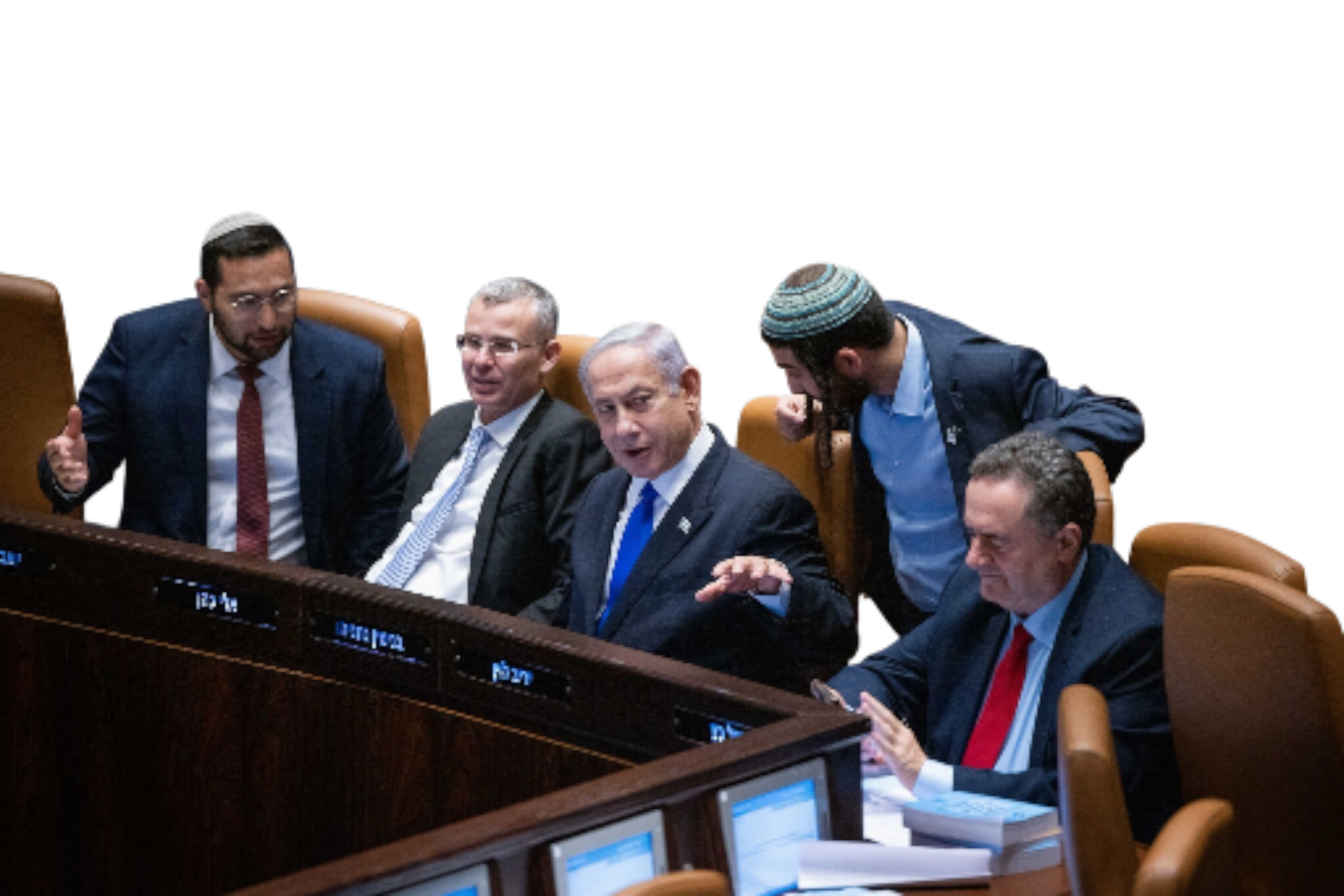
A development has captivated the world. It has redefined international advocacy for self-determination. The Israeli Parliament, or Knesset, has made history. It voted to demand the immediate release of Mazi Nnamdi Kanu. The Knesset also expressed firm support for Biafra independence.
This groundbreaking resolution was debated and passed on February 18, 2026. It stems from tireless efforts by key figures. These figures brought the Biafran cause to the forefront of global discussions. Shockwaves are rippling from Jerusalem’s legislative halls. Similar waves are felt on the streets of Abuja and London. Nations grapple with this unprecedented diplomatic pivot. For Biafrans, Nigerians, and human rights advocates everywhere, this isn’t merely political maneuvering. It serves as a beacon of hope amid decades of struggle.
We’ll unpack the details, key players, and reactions. We will explore the spiritual undertones and broader ramifications. This will provide fresh insights into what this means for justice and sovereignty. For a riveting video analysis, watch the special report on the Maxwell Nnawuihe YouTube channel.
Video title: FINALLY! Israel Officially Demand Nnamdi Kanu Release Sokoto Prison, Biafra Independence, Israeli Parliament on Biafral. It dives even deeper into this monumental shift.
The Official Demand: Israel’s Resolution on Kanu and Biafra
The Knesset’s resolution was passed after an intense debate on February 18, 2026. It calls for Nnamdi Kanu’s unconditional freedom from Sokoto Prison. He has endured harsh conditions there since his November 2025 life sentence on contested terrorism charges. The debate highlights grave concerns over human rights abuses. It questions judicial impartiality in Nigeria. It also underscores Kanu’s reported health decline amid isolation and security vulnerabilities in the facility.
Going beyond individual justice, the resolution affirms Israel’s position on Biafra independence, drawing on shared narratives of perseverance and autonomy. This stance resonates with Israel’s foundational story of overcoming adversity. It positions Biafra as a parallel quest for self-governance in Nigeria’s southeast.
The push gained momentum through influential advocates. MK Yaakov Margi, a prominent Member of Knesset, spearheaded the parliamentary discussion. He leveraged his role in foreign affairs to highlight ethnic injustices. Heidi Moses is a vocal Israeli activist with ties to human rights organizations. She rallied support by emphasizing Biafra’s cultural links to Judaism. Mijal Bitton is an academic and policy expert. She provided research on Nigeria’s internal conflicts. She framed the case as a modern humanitarian crisis.
Rachel Nwosu, Victor Obilo represented the Indigenous People of Biafra (IPOB) and Biafra at the Knesset.
Limon son of Melchior was a community leader with biblical heritage roots. He symbolized the spiritual dimension. He connected ancient prophecies to current events. Mayor Coin, representing local Israeli governance, endorsed the resolution by stressing municipal solidarity with oppressed peoples worldwide. Together, these figures played pivotal roles. They elevated Biafra and Kanu’s plight to the Knesset floor. They transformed grassroots advocacy into legislative action.
A Nation in Shock: Reactions from Nigeria and Britain
Nigeria’s response has been swift and defensive, with officials in Abuja decrying the vote as unwarranted meddling in internal matters. The Tinubu administration faces mounting pressure, as this international spotlight exposes cracks in national unity and judicial processes. Diplomatic tensions could strain economic ties, given Israel’s tech investments and Nigeria’s energy sector interests.
Britain, with its colonial legacy in Nigeria, is navigating a tricky balance. Historical support for federal integrity during the 1967-1970 Biafran War clashes with contemporary human rights priorities. Advocacy groups in London are pressing for a policy review, while Biafran diaspora communities organize vigils, amplifying the Knesset’s call. This global echo chamber could force multilateral talks, potentially involving the UN, to address longstanding grievances.
Prophecy Fulfilled: The Spiritual Significance of Israel’s Vote
Beyond politics, many interpret this as divine orchestration. Biafran spiritual leaders cite scriptures like Isaiah 61:1. They proclaim liberty to captives. They see Kanu’s ordeal as a test of faith now yielding fruit. The February 18, 2026, debate aligns with prophecies of unexpected allies. These allies emerge for restoration, evoking “God at work” in Biafran narratives.
This fulfillment adds profound layers: Biafra’s Judeo-Christian roots—customs mirroring Jewish traditions—make Israel’s involvement feel predestined. Skeptics attribute it to geopolitical strategy. Believers view it as a sign of shifting eras. Ancient bonds facilitate modern justice. The roles of figures like Limon son of Melchior are important. His Melchior lineage evokes wise men symbolism. These elements further underscore this spiritual narrative. They blend faith with advocacy.
Global Impact: What This Means for Biafra’s Struggle and International Relations
For the Biafran movement, Israel’s vote injects legitimacy, potentially catalyzing recognitions from allies like the US or EU. It could lead to sanctions or mediations pressuring Nigeria for a referendum, echoing peaceful separations like South Sudan’s. Human rights gains might extend to addressing Christian killings and ethnic targeting in Nigeria, fostering broader stability.
Internationally, this redefines alliances: Israel’s outreach to African causes challenges African Union anti-secession norms, influencing debates in regions like Catalonia. For Nigeria, it risks investor hesitation. However, it offers a chance for inclusive reforms. It can heal ethnic divides among Igbos, Yorubas, Hausas, and others.
This moment invites reflection on sovereignty versus justice, urging peaceful resolutions. As truth unfolds in power’s halls, it signals hope for oppressed voices worldwide.
ALSO READ:
- VIDEO: Biafra and Israel Shall Speak One Language – Pst. Maxwell Nnawuihe
- VIDEO: BIAFRA DELEGATES Meet Israeli PM NETANYAHU For Nnamdi Kanu Release, Biafra Freedom, Maxwell Nnawuihe
Stay Connected and Informed
To explore this breaking news in depth, watch the special report on the Maxwell Nnawuihe channel. It includes exclusive insights on the Knesset debate. You will also find spiritual prophecies. It breaks down the resolution’s details, expert reactions, and what lies ahead for Biafra.
Subscribe to Maxwell Nnawuihe YouTube channel today for ongoing updates on Nnamdi Kanu latest news. Stay informed about Biafra independence progress. Your support amplifies the cause.
How does this historic debate inspire you? Comment below on its potential to change Biafra’s future and Nigeria’s path.