
Global Affairs
Global News Roundup: Africa, US Deployment, Iran-Israel Tensions & Diplomatic Shifts
These indicators will help track whether tensions ease toward diplomacy or escalate in unexpected directions.

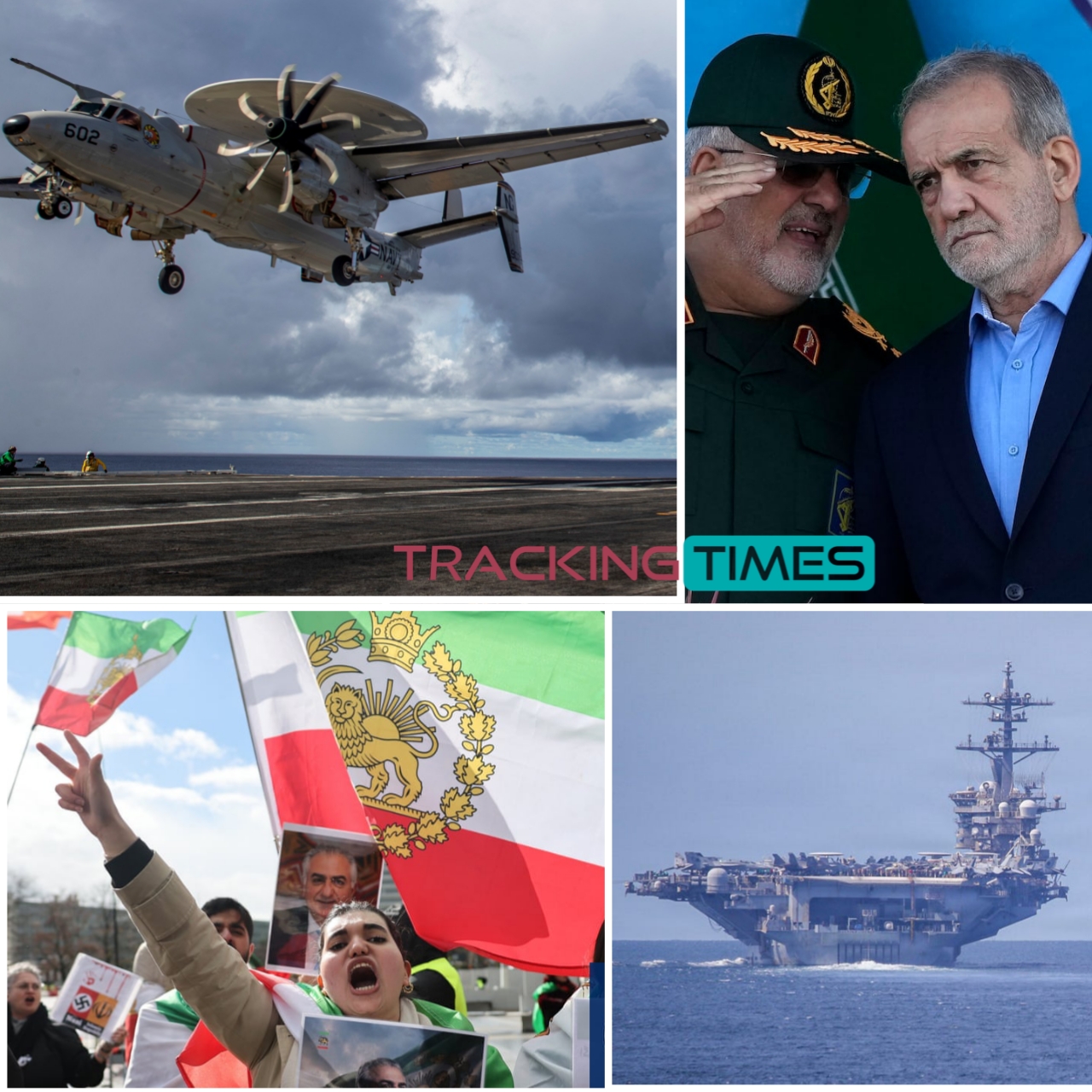
Tracking Times Trending News
U.S. Military Buildup Raises Regional Tensions
In early 2026, the United States has significantly expanded its military presence in the Middle East. It deployed aircraft carriers and support ships amid rising tensions with Iran. This buildup, led by groups around the USS Abraham Lincoln and other assets, reinforces U.S. strategic options amid strained nuclear negotiations and competing military postures in the Persian Gulf. (Al Jazeera)
The move comes amid fears of escalation, with military exercises and warnings exchanged between Washington and Tehran. Iran’s continued missile tests are part of Tehran’s broader preparation for possible conflict. Their strategic exercises near key waterways show a deterrent posture. (Business Insider)
Iran Declares State of War With U.S. and Allies
Iran’s leadership has declared a “full-fledged war” with the United States, Israel, and key European powers. This declaration reflects deep divisions after prolonged hostilities and military actions. Iranian President Masoud Pezeshkian’s remarks highlight Tehran’s feeling of encirclement. They also emphasize political hostility. These comments come months after significant airstrikes on Iranian installations by U.S. and allied forces. (Defense News)
This statement heightens tensions. It complicates ongoing indirect nuclear negotiations. Both sides occasionally show willingness to engage in diplomatic dialogue. (The Guardian)
Diplomatic Glimmers — Agreement on “Guiding Principles”
Despite escalating military postures, recent indirect talks between the United States and Iran in Geneva have produced modest progress. Tehran stated that some “guiding principles” were agreed upon to reduce nuclear activity under international monitoring. However, disagreements remain over ballistic missiles and regional security ties.
This cautious diplomatic development occurs amidst military drills in Iran. Internal unrest, protest crackdowns, and political tension have drawn global attention. The Guardian
African Nations Respond to International Conflict
Across Africa, leaders continue to react to the broader Middle East tensions and shifting geopolitical landscapes:
Nigeria’s Position
Nigeria has been active in international diplomatic calls for peace. The country aims for de-escalation following heightened conflict between Israel and Iran in previous years. Abuja has advocated for dialogue and peaceful resolution, even as global security stakes rise. The Guardian Nigeria
African Evacuations
In mid-2025, several African countries began evacuation procedures for their citizens in conflict zones in Israel. Countries involved were Ghana, Uganda, and Nigeria. This was due to intense hostilities. The hostilities began with Israeli strikes and Iranian retaliation. (The Guardian Nigeria)
Regional Security and Development
Meanwhile, South Africa has been tackling its own internal security challenges. President Cyril Ramaphosa is deploying the military against criminal gangs and illegal mining. These actions come amid broader concerns about social stability and economic development in the region. Businessday NG
Shifts in Middle East Public Opinion
A recent poll indicates changing public attitudes in Syria, where a substantial portion of respondents now view U.S. and Israeli involvement more positively under new leadership — reflecting dynamic regional politics and shifting alliances. New York Post
This trend contrasts with sentiments in other parts of the Middle East where perceptions of U.S. and Israeli roles remain mixed or negative. This is particularly true amid prolonged conflicts. These include proxy engagements involving Hezbollah and other non-state actors.
Patterns in the Iran-Israel Conflict
Events from 2024–2025 reveal a pattern of military confrontations between Israel and Iran. There are significant Israeli airstrikes on Iranian nuclear and defense infrastructure. These airstrikes are met with subsequent Iranian missile responses. These confrontations are part of a larger proxy conflict involving regional players and global alliances. Wikipedia
Direct all-out war has not been declared. However, the scale and precision of military actions are significant. International responses make this a closely watched geopolitical flashpoint in recent years.
ALSO READ:
Broader Implications for Global Security
The interconnected nature of these developments — from U.S. force deployment and Middle East diplomacy to African evacuation efforts and shifting regional opinion. These aspects highlight the complex dynamics of 21st-century geopolitics.
Economic pressures, security shifts, and evolving alliances continue to shape global news. These factors affect everything from oil markets to diplomatic relations. They also influence domestic political climates in multiple countries.
What to Watch Next
As 2026 unfolds, key developments to monitor include:
- Progress or setbacks in U.S.–Iran nuclear negotiations
- Shifts in military deployments in the Middle East
- Reactions from African and global political leaders
- Regional public opinion trends and civic responses
These indicators will help track whether tensions ease toward diplomacy or escalate in unexpected directions.