
National Politics
THE SERAP LAWSUIT: Analysis of Benue Massacre Details 2026
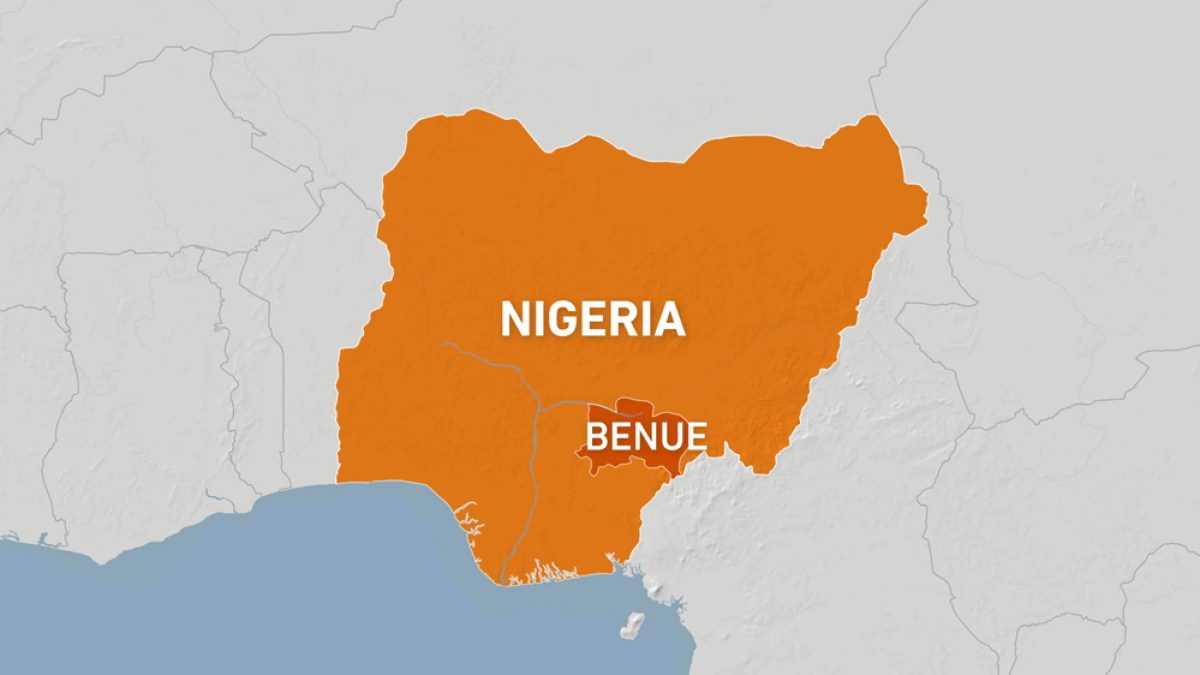
Benue, in Nigeria’s North Central region, has long been a flashpoint for conflicts between farmers and Fulani herdsmen. These attacks were often viewed as ethnic and religious clashes targeting Christian-majority communities.

TRACKING TIMES TRENDING NEWS
The SERAP lawsuit explicitly cites a “recent massacre in Benue State” as evidence of failed security measures. It points to a series of deadly attacks in early January 2026. These attacks have intensified calls for accountability. Benue, in Nigeria’s North Central region, has long been a flashpoint for conflicts between farmers and Fulani herdsmen. These attacks were often viewed as ethnic and religious clashes targeting Christian-majority communities. Here’s a breakdown of the recent incidents based on verified reports:
- January 5-6 Attacks: Fulani herdsmen reportedly killed nine Christians in separate incidents across Benue State. These assaults occurred in rural areas, involving ambushes on farms and homes, leading to widespread displacement. Local sources describe the violence as coordinated, with attackers using automatic weapons and machetes, burning properties in the process. This follows a pattern seen in previous years, where over 100 were killed in a single June 2025 attack in Yelwata community.
- January 10 Incident: Two security operatives from Operation Whirl Stroke were killed by armed herdsmen. This happened during a patrol in Benue’s Kwande Local Government Area. The operatives were ambushed while returning from a mission, highlighting vulnerabilities even among armed forces. This attack left communities in Turan District deserted, with residents fleeing to safer areas amid fears of reprisals.
- January 13 Attack: Four more Christians were killed in a Monday assault, bringing the early January 2026 toll to at least 15. Reports indicate these were targeted killings, exacerbating accusations of ethnic cleansing. The violence has displaced thousands, with survivors reporting destroyed farmlands and livestock theft, worsening food insecurity in the region.
These massacres fit into a grim pattern. In 2025 alone, similar attacks claimed hundreds of lives in Benue. These attacks are often attributed to Fulani herdsmen seeking grazing land amid climate pressures. Critics link the persistence to inadequate security funding use, tying directly to SERAP’s suit. The Benue State Police have confirmed investigations. However, locals express distrust in federal responses under the Tinubu regime. They cite delays in deployments and prosecutions.
Broader Implications: The massacres have fueled national outrage, with protests in Makurdi and calls for international intervention. They underscore religious dimensions, as many victims are Christians, aligning with global concerns over persecution in Nigeria. Economically, Benue’s agricultural heartland suffers, contributing to nationwide food price hikes. Politically, this pressures governors to justify security budgets, potentially strengthening SERAP’s case.
ALSO READ:
In Port Harcourt, where similar ethnic tensions simmer, these events serve as a cautionary tale. For Nigeria’s future, addressing root causes—like land reforms and inclusive policing—could prevent escalation. As SERAP’s lawsuit progresses, it may catalyze reforms, ensuring security votes translate to real protection for all citizens.
Share your views: How can Nigeria better tackle such violence? For updates on Benue massacre January 2026 and SERAP’s efforts, follow reliable sources and advocate for transparency.