
News & Politics
Somaliland’s Recognition by Israel: A Pivotal Shift and Its Impacts on Africa in 2026
On December 26, 2025, Israeli Prime Minister Benjamin Netanyahu made a significant announcement. He stated that Israel had become the first United Nations member state to officially recognize the self-declared Republic of Somaliland.

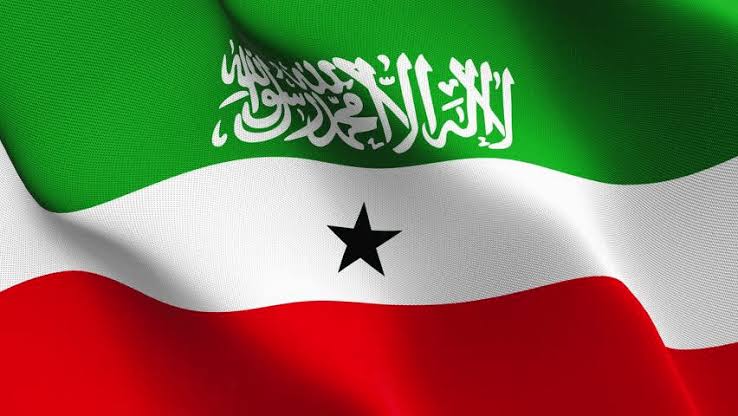
As we entered January 2026, we witness that the geopolitical landscape of Africa is undergoing a significant transformation. This follows Israel’s historic recognition of Somaliland. On December 26, 2025, Israeli Prime Minister Benjamin Netanyahu made a significant announcement. He stated that Israel had become the first United Nations member state to officially recognize the self-declared Republic of Somaliland. Israel acknowledges Somaliland as an independent sovereign nation. This move, breaking decades of international hesitation, has sparked debates across the continent and beyond. In this comprehensive analysis, we delve into the background of Somalians quest for recognition. We explore the motivations behind Israel’s decision. We also examine the immediate reactions and the broader impacts on Africa. If you’re interested in African politics, be sure to join us. Are international relations or regional security more your focus? Join us to explore how this development could reshape the Horn of Africa. Understand how it could influence the continent’s future.
Somaliland’s Long Road to Recognition: A Brief History
Somaliland is located in the Horn of Africa. It declared independence from Somalia in 1991. This followed a brutal civil war that devastated the region. Once a British protectorate, it merged with Italian Somaliland in 1960 to form the Somali Republic. Still, internal conflicts occurred and led to its secession. Over the past three decades, Somaliland has built a stable democracy. It has its own government, currency, and security forces. The region has held multiple elections, which have been praised for their fairness. Despite these achievements, it has remained unrecognized by the international community. This is largely due to concerns over African Union principles that prioritize colonial borders. There is also the fear of encouraging other separatist movements.
This isolation has limited Somaliland’s access to global aid, investment, and diplomatic ties. It has maintained informal relations with countries like Taiwan, Ethiopia, and the United Arab Emirates. Yet, formal recognition has eluded it until Israel’s bold step. The announcement came amid growing Israeli engagement in Africa. Somaliland is being positioned as a strategic partner in the volatile Red Sea region.
Israel’s Motivations: Strategic Interests and Shared Values
Israel’s decision to recognize Somaliland aligns with its foreign policy goals under Netanyahu’s leadership. Strategically, Somaliland’s location on the Gulf of Aden offers access to vital shipping routes. These include the Bab el-Mandeb Strait, which is a chokepoint for global trade. Houthi rebels in Yemen disrupt Red Sea shipping. As a result, Israel sees Somaliland as a stable ally for intelligence sharing. They also see potential in counterterrorism and military cooperation. Berbera Port, Somaliland’s main harbor, managed by UAE’s DP World, will become a hub for Israeli interests, enhancing maritime security.
Beyond strategy, shared values play a role. Both nations emphasize self-determination and resilience against adversity. Somaliland’s democratic governance and religious tolerance contrast with Somalia’s instability, plagued by al-Shabaab militants. Netanyahu highlighted these parallels in his announcement, stating that recognition supports “peace-loving democracies” in Africa. This move also fits Israel’s broader outreach, including the Abraham Accords, aiming to expand alliances in Muslim-majority regions.
The recognition was swiftly followed by action. On January 6, 2026, Israeli Foreign Minister Gideon Sa’ar visited Somaliland. He met President Muse Bihi Abdi in Hargeisa. They discussed economic partnerships, agricultural technology sharing, and security collaboration, signaling rapid deepening of ties.
Immediate Reactions: Anger in Somalia and African Union Concerns
The recognition has provoked strong backlash from Somalia, which views Somaliland as an integral part of its territory. Somali President Hassan Sheikh Mohamud condemned it as a “violation of sovereignty,” accusing Israel of interfering in African affairs. Protests erupted in Mogadishu, with crowds burning Israeli flags and demanding retaliation. Somalia recalled its ambassador from Ethiopia—already tense over a Somaliland-Ethiopia port deal—and appealed to the Arab League for support.
The African Union (AU) responded with an emergency session on January 6, 2026, debating the implications. AU Chairperson Moussa Faki Mahamat warned that unilateral recognition could “undermine continental unity” and encourage fragmentation. Countries like Kenya and Djibouti expressed caution, fearing spillover instability in the Horn. Still, some African nations, including Ethiopia, welcomed the move privately, seeing it as a boost for regional trade.
Broader Impacts on Africa: Diplomatic, Economic, and Security Ramifications
This development have far-reaching effects on Africa in 2026 and beyond. Diplomatically, it challenges the AU’s stance on non-recognition of breakaway states. This action potentially inspires movements in regions like Western Sahara or Cameroon’s Anglophone areas. If more countries follow Israel’s lead, a domino effect occur. Rumors suggest the US and UK might reconsider. This redefine African borders, promote stability in functional entities, and pressure dysfunctional ones.
Economically, recognition opens doors for Somaliland. Israel has pledged investments in agriculture, water technology, and renewable energy, leveraging its expertise in arid environments. This attracts further foreign direct investment, creating jobs and infrastructure in a region with high youth unemployment. For Africa, enhanced Red Sea stability can reduce piracy and boost trade routes, benefiting landlocked nations like Ethiopia. Yet, economic gains depend on avoiding conflict; escalation with Somalia disrupt these opportunities.
ALSO READ:
Security-wise, the recognition strengthens counterterrorism efforts. Somaliland has effectively contained al-Shabaab, unlike Somalia. Israeli-Somaliland cooperation could enhance intelligence against Islamist threats, similar to Israel’s partnerships in West Africa. Yet, risks abound: Somalia’s anger might embolden militants, leading to cross-border attacks. In the Horn, where Ethiopia-Eritrea tensions simmer, this could exacerbate rivalries. It could draw in external powers like Turkey or Qatar, who back Somalia.
On a continental scale, Israel’s move amplifies its African footprint. Relations have normalized in countries like Morocco and Sudan. This could encourage more African states to engage Israel. They might trade technology for diplomatic support. However, it might strain ties with pro-Palestinian nations, polarizing AU discussions on Middle East issues.
Inclusive Perspectives: Opportunities for All Africans
From an inclusive standpoint, this recognition invites reflection on self-determination for all Africans. Somaliland’s story—of building peace from chaos—offers lessons for conflict zones like the Sahel or Central Africa. By supporting stable governance, regardless of formal status, the continent can prioritize human development over rigid borders. Women and youth in Somaliland have thrived under its system. They stand to gain from expanded opportunities. This could potentially serve as a model for gender-inclusive policies elsewhere.
Yet, we must address potential downsides equitably. Dialogue between Somaliland and Somalia, mediated by the AU or UN, could foster unity without erasure. Inclusive economic pacts might share resources like Berbera Port, benefiting both sides and reducing poverty-driven migration.
Looking Ahead: 2026 as a Year of Reckoning
As 2026 progresses, Somaliland’s recognition by Israel could catalyze positive change or heighten tensions. Monitoring AU deliberations and bilateral talks will be key. For Africa, this moment underscores the need for adaptive diplomacy in a multipolar world. By embracing inclusive solutions, the continent can turn challenges into advancements for all its people.
What are your thoughts on Somaliland recognition Israel 2026? Share in the comments how you see this impacting the Horn and beyond. Stay tuned for updates on Israel Somaliland relations and African Union response Somaliland. and Somaliland
Intellectual Property & Content Protection Notice
Intellectual Property & Content Protection Notice
© 2026 TrackingTimes.co All rights reserved.
This publication, including its text, structure, analysis, headlines, and original reporting, is protected under applicable international copyright laws.
No portion of this article may be copied, reproduced, modified, republished, distributed, scraped, translated, or stored in any retrieval system without the express written consent of TrackingTimes.co.
Content scraping, AI training usage, unauthorized reposting, or monetized reproduction is strictly prohibited and may attract civil and criminal penalties.
For syndication or licensing requests, contact: trackingtimes@gmail.com