Leadership
Maduro’s Capture and Iran’s Surging Protests: Paths to Regime Change in 2026
These stories converge under Trump’s foreign policy, which prioritizes decisive action against oppressive regimes. Maduro’s capture signals intolerance for narcostates, while threats to Iran underscore support for popular uprisings.

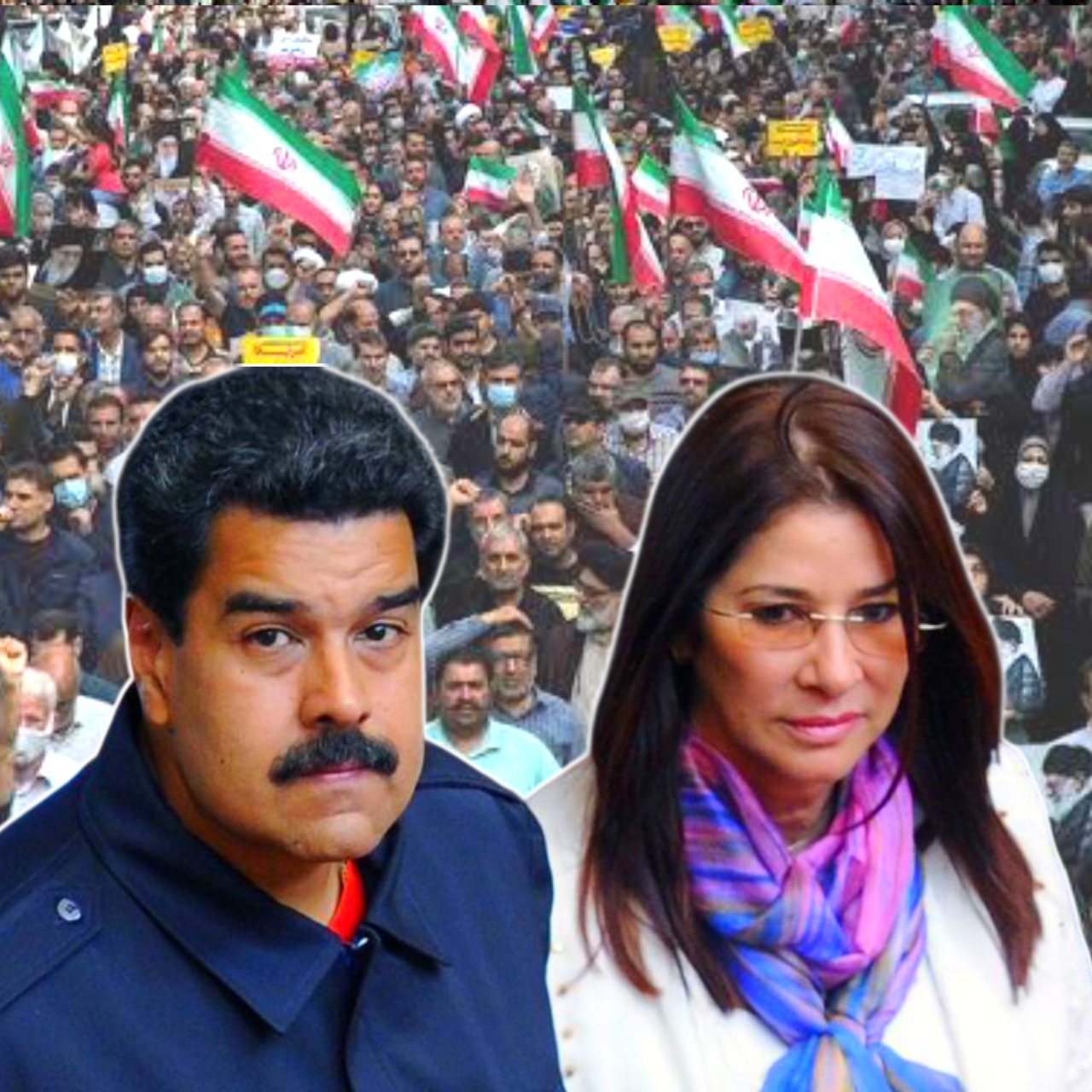
As we navigate the early days of 2026, we find ourselves on January 5. Global attention turns to two hotspots where calls for change echo loudly: Venezuela and Iran. Nicolas Maduro’s dramatic capture by US forces just days ago has reshaped Latin American politics. Meanwhile, Iran’s streets pulse with protests. These protests demand an end to the current regime. These events, unfolding amid economic woes and international pressures, highlight the fragility of long-standing governments. In this detailed analysis, we explore the latest updates on Maduro. We examine the drivers behind Iran’s demonstrations. We assess the potential benefits and risks of regime shifts. These stories intersect with broader themes of justice and stability. Whether you’re a global affairs enthusiast, join us in unpacking these developments. If you are simply curious about world events. Join us with an eye toward inclusive futures.
Nicolas Maduro’s Capture: A Swift US Operation and Its Immediate Aftermath
The year kicked off with a bang. US special forces captured Nicolas Maduro, Venezuela’s embattled leader. This happened on January 2, 2026, in Caracas. This high-stakes extraction, described as precise and intelligence-driven, ended Maduro’s 13-year rule amid accusations of authoritarianism and corruption. Maduro and his wife, Cilia Flores, were swiftly transported to New York. In New York, they face federal charges. These charges include drug trafficking, narcoterrorism, and money laundering. These indictments stem from long-standing US Department of Justice claims. The US Department of Justice claims that Maduro facilitated cocaine shipments. He allegedly worked through a network known as the Cartel of the Suns. He allegedly profited billions while his country suffered.
Today, January 5, Maduro is set to appear in a Manhattan federal court for arraignment. The proceedings at the Daniel Patrick Moynihan United States Courthouse will outline the full charges. These may include human rights abuses and election manipulation. Sources show minimal resistance during the capture, though Venezuelan officials report casualties among Maduro’s security detail. This operation was authorized under President Trump’s assertive foreign policy. It has been hailed by some as a victory against tyranny. Others have criticized it as overreach.
In Venezuela, the power vacuum has been quickly addressed. The Supreme Court ruled that Vice President Delcy Rodriguez assumes acting presidency for 90 days. The military backed this decision. Defense Minister Vladimir Padrino Lopez publicly supported Rodriguez. He condemned the US action as a “despicable kidnapping.” He also urged citizens to resume normal activities. Streets in Caracas stay quiet, with shops reopening amid long queues for essentials. In interviews, Trump warned Rodriguez of severe consequences. These would happen if she doesn’t cooperate, particularly on opening Venezuela’s vast oil reserves to US investment. This Nicolas Maduro capture 2026 update underscores Trump’s “America First” approach, prioritizing regional stability and resource access.
Reasons for the Capture: From Narcoterrorism to Geopolitical Strategy
The US justified the operation on multiple fronts. Maduro’s alleged role in drug smuggling directly threatens American communities, with indictments dating back to 2020. Beyond narcotics, his regime faced scrutiny for suppressing dissent, leading to thousands of arbitrary arrests and deaths. Economic mismanagement exacerbated hyperinflation and shortages, forcing over 7 million Venezuelans to flee since 2014.
Geopolitically, Maduro’s alliances with Russia, China, and Iran isolated Venezuela from Western economies, allowing him to evade sanctions. By capturing him, the US aims to disrupt these ties, realigning Venezuela as a key oil supplier. Critics, including China, label it illegal intervention, accusing the US of acting as the “world’s policeman.” Yet, for supporters, it’s a necessary step to restore democracy in the hemisphere.
Benefits for Venezuelans: A Chance for Renewal
For ordinary Venezuelans – families struggling with empty shelves and blackouts – Maduro’s removal sparks hope. Economically, eased sanctions will revive oil production, now at historic lows, creating jobs and stabilizing the bolivar. Humanitarian aid will flow unimpeded, addressing malnutrition and healthcare crises that have plagued the nation.
Politically, this paves the way for transitional governance and fair elections. Opposition leaders could emerge, fostering inclusive policies that represent diverse groups, from indigenous communities to urban workers. Socially, reduced repression means safer spaces for expression, potentially reuniting divided families and rebuilding civil society.
However, benefits hinge on a smooth transition. If managed well, 2026 will see Venezuela’s economy rebound, with international investments aiding infrastructure and education.
Potential Disadvantages: Instability and External Backlash
Venezuela faces risks of internal strife. Loyalist factions might clash with opposition, leading to violence in a country already armed and polarized. Economically, short-term disruptions in oil exports could worsen shortages before improvements kick in.
For the US, diplomatic fallout looms. Allies like Russia and China may retaliate through trade or cyber means, while Latin American neighbors express sovereignty concerns. Legal challenges could prolong proceedings, draining resources and inviting human rights scrutiny.
Iran’s Protests for Regime Change: Economic Fury Turns Political
Shifting focus to the Middle East, Iran enters 2026 engulfed in widespread protests. These started on December 28, 2025, and have now lasted over a week. Sparked by galloping inflation – over 50% – and a currency crisis with the rial hitting 1.4 million to the dollar, demonstrations have spread to more than 220 locations across 26 of Iran’s 31 provinces. Protests are occurring from Tehran’s Grand Bazaar, where shop owners shuttered in strike. People in cities like Mashhad and Zahedan chant against economic hardship. The discontent is increasingly directed at the Islamic Republic itself.
These Iran protests 2026 have evolved from bread-and-butter issues to explicit calls for regime change. Slogans target Supreme Leader Ayatollah Ali Khamenei, demanding an end to 47 years of theocratic rule. Clashes with security forces have intensified, with reports of heavy deployments and violent confrontations. Human rights groups note over 170 protest sites, signaling the broadest unrest since 2022’s Mahsa Amini demonstrations.
President Trump has weighed in, warning of US intervention if protesters are killed. This is a statement Iran’s Foreign Minister Abbas Araghchi called “reckless.” The regime, weakened by sanctions and isolation, has brought in mercenaries to bolster forces. The analysts see this as a sign of desperation. Voices like former US Secretary of State Mike Pompeo suggest the regime is on its “last breath.” This is because protests are shifting toward outright overthrow rather than reform.
Drivers of Iran’s Unrest: A Perfect Storm
Economic collapse fuels the fire. Soaring prices for basics like food and fuel have pushed millions to the brink. Unemployment adds to this crisis. Broader frustrations include corruption, women’s rights restrictions, and foreign policy failures that drain resources. Unlike past waves, these protests lack a single trigger but build on cumulative grievances, making them harder to quell.
International isolation exacerbates issues. US sanctions, reinstated under Trump, cripple exports, while alliances with groups like Hezbollah divert funds from domestic needs. Protesters see regime change as the only path to relief, echoing global shifts toward accountability.
Potential Benefits of Regime Change in Iran: A Brighter Horizon
For Iranians – from students to merchants – a successful shift will unlock prosperity. Ending sanctions will boost oil revenues, stabilizing the economy and creating jobs. Political freedoms could flourish, with multiparty elections and reduced censorship empowering youth and women.
Socially, reforms might ease dress codes and internet restrictions, fostering cultural revival. Internationally, a new government could normalize ties, attracting investments in tech and infrastructure. Inclusive policies would benefit ethnic minorities in regions like Baluchistan, promoting unity.
ALSO READ:
- 2026 Outlook: Economy, Politics and Security
- Africa’s New year Moment: Between Hope, Reform and Hard Choices
Drawbacks: Chaos and Regional Ripples
Regime change isn’t risk-free. A power vacuum could lead to factional fighting, worsening the humanitarian crisis with more displacements. Economically, transition instability might spike inflation further before stabilization.
Regionally, a sudden shift could destabilize neighbors, with proxy groups like those in Yemen or Lebanon losing support. For the US and allies, backing change risks escalation with holdouts, potentially drawing in military involvement.
Intersecting Narratives: Maduro and Iran in Trump’s Worldview
These stories converge under Trump’s foreign policy, which prioritizes decisive action against oppressive regimes. Maduro’s capture signals intolerance for narcostates, while threats to Iran underscore support for popular uprisings. Both cases highlight how economic despair can ignite regime change demands, offering lessons for global leaders.
As 2026 unfolds, Venezuelans and Iranians alike seek inclusive paths forward. By amplifying diverse voices and prioritizing human rights, these nations could emerge stronger. Stay engaged with Maduro arrest US updates and regime change Iran developments for the latest insights. Your thoughts? Share below on how these events shape our world.
Intellectual Property & Content Protection Notice
Intellectual Property & Content Protection Notice
© 2026 TrackingTimes.co All rights reserved.
This publication, including its text, structure, analysis, headlines, and original reporting, is protected under applicable international copyright laws.
No portion of this article may be copied, reproduced, modified, republished, distributed, scraped, translated, or stored in any retrieval system without the express written consent of TrackingTimes.co.
Content scraping, AI training usage, unauthorized reposting, or monetized reproduction is strictly prohibited and may attract civil and criminal penalties.
For syndication or licensing requests, contact: trackingtimes@gmail.com