Featured
Nicolas Maduro’s Capture by US Forces: A Turning Point for Venezuela and Global Politics
The US and allies imposed international sanctions. These sanctions aimed to pressure for change. However, Maduro held firm. He often aligned with nations like Russia and China.

EDITORIAL
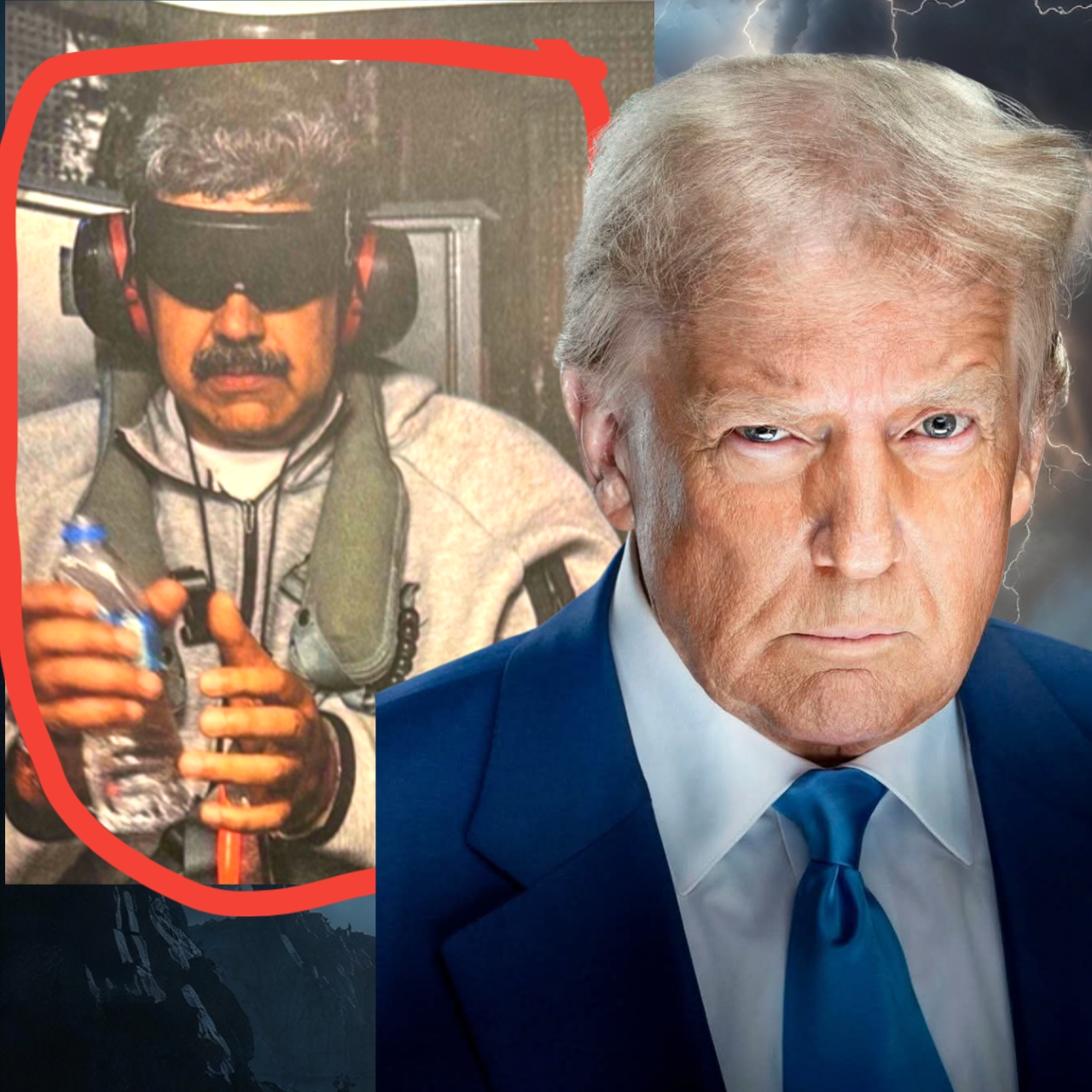
As we step into 2026, the world watches a dramatic shift in international relations. On Saturday January 3, 2026, US special forces captured Nicolas Maduro. He was the long-standing leader of Venezuela. This was a swift operation that has sent ripples across Latin America and beyond. This event marks a bold move in US foreign policy under President Trump. It is echoing recent actions like the US bombing of ISIS targets in Sokoto, Nigeria. In this in-depth exploration, we delve into the details of Maduro’s capture. We examine the underlying reasons and the potential benefits for everyday Venezuelans. We also explore the possible disadvantages for both the US and Venezuela. Together, let’s unpack how this fits into broader efforts to address global injustices, including ending Christian persecution in Nigeria.
Understanding the Background: Venezuela’s Prolonged Crisis
Venezuela has endured years of economic hardship, political instability, and humanitarian challenges under Maduro’s rule since 2013. Hyperinflation, food shortages, and mass emigration have defined the nation, with millions fleeing to neighboring countries. Maduro’s government faced accusations of authoritarianism, including election rigging and suppression of opposition voices. The US and allies imposed international sanctions. These sanctions aimed to pressure for change. However, Maduro held firm. He often aligned with nations like Russia and China.
The capture on January 3, 2026, unfolded in Caracas during a low-profile meeting. US special operations teams, reportedly acting on intelligence from defectors and satellite surveillance, extracted Maduro without major resistance. He was transported to a secure location, facing charges related to drug trafficking, corruption, and human rights violations. This operation recalls historical US interventions in Latin America, but with a modern twist focused on accountability and regional stability.
Reasons Behind Maduro’s Capture: A Multifaceted US Strategy
The US cited several key reasons for the capture, framing it as essential for global security and justice. Primarily, Nicolas Maduro stands accused of facilitating narcoterrorism. He allegedly does this through the Cartel of the Suns. This network reportedly involves Venezuelan officials in cocaine smuggling to the US. Federal indictments from 2020 escalated in 2025, with evidence linking Maduro to billions in illicit funds that fueled his regime.
Human rights abuses played a central role too. Reports of arbitrary detentions, torture, and extrajudicial killings under Maduro’s watch drew condemnation from organizations worldwide. The US emphasized that capturing him would dismantle a system enabling these violations, promoting democracy in the region.
Geopolitically, the move counters influence from adversarial powers. Maduro has alliances with Russia, Iran, and China. These alliances have allowed Venezuela to evade sanctions. The country provides oil and resources in exchange for military support. By removing Nicolas Maduro, the US aims to realign Venezuela toward Western partnerships, securing energy supplies amid global shortages.
This action aligns with Trump’s assertive foreign policy, seen in the December 25, 2025, US bombing of ISIS targets in Sokoto, Nigeria. There, strikes on sites like Jabo Village and Tangaza camps targeted jihadist networks amid rising Christian genocide in Nigeria. Trump’s intervention sought to end terrorist killings of Christians, fulfilling his October 2025 warning to the Nigerian government. Over 7,000 Christians perished in 2025 attacks, prompting Netanyahu’s Christmas Day plea for action. The Sokoto operations, coordinated with local forces, eliminated key threats and symbolized Trump’s commitment to protecting persecuted groups globally. Similarly, Maduro’s capture reflects a pattern of decisive US steps against regimes enabling oppression.
Benefits to Venezuelans: Hope for Recovery and Renewal
For many Venezuelans, Maduro’s capture offers a glimmer of hope after years of suffering. Economically, it could pave the way for lifted sanctions, allowing oil exports to resume fully. Venezuela holds the world’s largest proven oil reserves, yet production plummeted under Maduro due to mismanagement and isolation. With a transitional government, international investments might flow in, creating jobs and stabilizing prices.
Humanitarian gains stand out as well. Millions have faced malnutrition and lack of medical care. If Maduro is removed, aid organizations could operate freely. This would allow them to deliver food, medicine, and vaccines. Emigrants might return, reuniting families and boosting the workforce with skills gained abroad.
Politically, this opens doors for inclusive governance. Opposition figures like Maria Corina Machado could lead fair elections, fostering a multiparty system. Urban professionals, rural farmers, and indigenous communities in Venezuela stand to benefit. Policies addressing inequality and corruption will help them all.
Socially, reduced repression means freer expression. Journalists, activists, and ordinary citizens can voice concerns without fear, building a more vibrant society. Education and healthcare reforms could follow, investing in the youth who represent Venezuela’s future.

Drawing parallels, Trump’s Nigeria intervention has already shown benefits in persecuted regions. Post-Sokoto bombing, reports indicate decreased attacks on Christian communities in Plateau and Kaduna states, allowing displaced families to return. This model of targeted action against threats may inspire similar stability in Venezuela. Religious freedoms have also been curtailed under Maduro’s socialist policies.
Possible Disadvantages to the US: Diplomatic and Economic Risks
While bold, the capture poses challenges for the US. Diplomatically, it risks backlash from Maduro’s allies. Russia and China may condemn the action as imperialistic, straining relations and complicating global issues like Ukraine or Taiwan. Some Latin American nations are wary of US overreach. Countries such as Brazil or Mexico might distance themselves. This could hinder regional cooperation on migration or trade.
Economically, short-term disruptions in Venezuelan oil could spike global prices, affecting US consumers. If a power vacuum leads to chaos, refugee flows might increase, burdening border resources.
Legally, extradition processes could drag on, inviting criticism if perceived as politically motivated. Human rights advocates might question the operation’s methods, demanding transparency to avoid accusations of violations.
In the broader context, Trump’s aggressive stance – evident in the Sokoto strikes – could portray the US as a unilateral actor. While ending Christian persecution in Nigeria through bombings bolstered support among faith groups, it drew ire from sovereignty advocates. Similar sentiments might arise in Venezuela, labeling the US as an aggressor rather than a liberator.
ALSO READ:
Disadvantages to Venezuela: Potential Instability and Division
For Venezuela, the capture isn’t without pitfalls. A sudden leadership void could spark internal conflict among factions vying for power. Military loyalists might resist, leading to violence that exacerbates the humanitarian crisis.
Economically, transitioning from state-controlled industries risks short-term unemployment as reforms unfold. Reliance on US aid might foster dependency, delaying self-sufficiency.
Socially, deep divisions persist. Maduro’s supporters, viewing him as a defender against imperialism, may protest, polarizing communities. Indigenous and marginalized groups could feel overlooked if new leaders prioritize foreign interests.
Culturally, the capture might erode national pride, seen as foreign imposition. Rebuilding trust requires inclusive processes, but rushed elections could alienate segments of society.
Comparing to Nigeria, post-bombing instability in Sokoto highlighted disadvantages like civilian displacement and heightened ethnic tensions. While Trump’s intervention aimed to end Christian genocide, it initially disrupted local economies, a cautionary tale for Venezuela’s path ahead.
Trump’s Global Vision: Linking Venezuela and Nigeria Interventions
President Trump’s foreign policy in early 2026 appears cohesive, targeting regimes and groups enabling oppression. The Sokoto bombing on Christmas 2025 addressed Christian persecution in Nigeria directly. Jihadists linked to ISIS-West Africa Province terrorized communities. Strikes in Illela border regions neutralized threats. They also pressured the Nigerian government for reforms. This resulted in reduced attacks and allowed humanitarian access.
This approach mirrors the Maduro capture: both prioritize human rights, security, and countering adversarial influences. In Nigeria, it ended a year of horror with over 7,000 deaths. In Venezuela, it targets a leader accused of similar suppressions. For global observers, these actions signal a return to assertive US leadership, benefiting persecuted populations while navigating complex alliances.
Navigating the Future: Inclusive Paths Forward
As Venezuelans and the world process Maduro’s capture, the emphasis must be on inclusive recovery. Engaging all stakeholders – from opposition parties to civil society – ensures sustainable change. International support, balanced with respect for sovereignty, can aid this transition.
For the US, reflecting on disadvantages like diplomatic strains encourages multilateral strategies. Learning from Nigeria’s intervention, where initial risks gave way to stability, highlights the value of patience and partnership.
Ultimately, 2026 could redefine Venezuela as a beacon of resilience. By addressing root causes with empathy, we all contribute to a world where justice prevails. Stay tuned to Nicholas Maduro capture 2026 updates and Trump foreign policy 2026 developments for more insights.
Intellectual Property & Content Protection Notice
Intellectual Property & Content Protection Notice
© 2026 TrackingTimes.co All rights reserved.
This publication, including its text, structure, analysis, headlines, and original reporting, is protected under applicable international copyright laws.
No portion of this article may be copied, reproduced, modified, republished, distributed, scraped, translated, or stored in any retrieval system without the express written consent of TrackingTimes.co.
Content scraping, AI training usage, unauthorized reposting, or monetized reproduction is strictly prohibited and may attract civil and criminal penalties.
For syndication or licensing requests, contact: trackingtimes@gmail.com