
Life Strategies
Nigeria’s Bittersweet Christmas 2025: Navigating Economic Hardships and Insecurity Amid Festive Spirit
Yet, this year’s festivities unfold against a backdrop of profound challenges. From soaring food prices and economic reforms that have deepened poverty to escalating terrorist attacks.

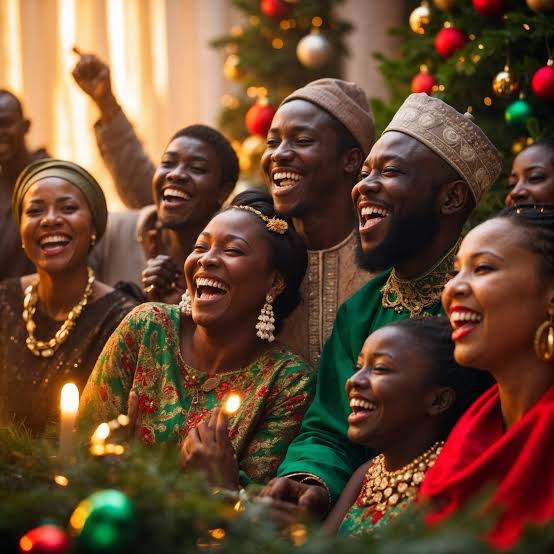
As the holiday season approaches in December 2025, Nigerians across the nation are preparing for Christmas. This is a time traditionally filled with joy, family gatherings, and vibrant celebrations. Yet, this year’s festivities unfold against a backdrop of profound challenges. From soaring food prices and economic reforms that have deepened poverty to escalating terrorist attacks. There are security fears, the spirit of Christmas in Nigeria feels more resilient than ever.
In this deep dive editorial, we explore how these intertwined crises are reshaping the holidays for millions of Nigerian. We will highlight stories of hope and community strength. You might be in Lagos admiring the twinkling lights. Or you might be in rural communities bracing for uncertainty. This piece aims to foster understanding and unity in our shared experiences.
The Economic Storm: High Costs Dampening Holiday Cheer
Nigeria’s economy in 2025 has been a tale of tentative growth overshadowed by persistent hardships. According to recent reports, the nation’s GDP is projected to expand. However, high food prices continue to burden households. These prices make basic necessities unaffordable for many. Inflation, which peaked at 24.23% in March 2025, has declined to 14.45% by November, offering a glimmer of relief. However, this drop hasn’t provided immediate ease for everyday Nigerians. The festive season heightens this challenge as demand for items like rice, chicken, and decorations surges. Transport fair has doubled or tripled in most places.
President Bola Tinubu’s economic reforms include fuel subsidy removal and currency devaluation. These actions were hailed as “necessary.” However, they are also acknowledged as “painful.” These measures have plunged the country into its worst economic crisis in decades. The poverty levels are still rising and the naira fluctuating wildly. Nigeria was once Africa’s second-largest economy. In 2024, it slipped to fourth place. This reflects the toll of lower oil prices and fiscal deficits hovering at 2.6% of GDP. Vice President Kashim Shettima had optimistically declared that Nigeria has “exited its phase of economic instability.” He pointed to external reserves reaching $43 billion by September 2025. Yet, for families planning Christmas meals, these macro indicators are distant.
What’s Happening In Different Places This Season
In urban centers like Lagos and Abuja, the cost of living has skyrocketed. A bag of rice is a staple for holiday feasts. It now costs double what it did last year. This forces many to scale back or seek alternatives. Rural communities, already grappling with agricultural disruptions from insecurity, face even steeper challenges. The energy crisis adds another layer—unreliable power supply means higher reliance on generators, inflating costs further. Initiatives like solar-powered mini-grids are emerging as renewable solutions, but their reach is limited. As we approach Christmas, these economic pressures test the resilience of Nigerian families. What should be a season of abundance turns into one of careful budgeting and shared sacrifices.
Mass kidnappings and abductions, fueled by poverty and corruption, exacerbate the crisis. In 2025 alone, over 2,266 people have been killed in security-related incidents, with porous borders allowing criminal networks to thrive. These events not only drain resources but also deter investments, perpetuating a vicious cycle. Small business owners who decorate shops for the holidays face uncertainty. Vendors at Christmas markets also worry about economic fallout from this instability.
Shadows of Insecurity: Terrorist Threats Looming Over the Holidays
No discussion of Nigeria’s current landscape is complete without addressing the pervasive security challenges. As Christmas 2025 draws near, communities, particularly in the north and northeast, are on high alert. Terrorist groups like Boko Haram and bandit networks continue to wreak havoc, with attacks intensifying in recent months. The United Nations Security Council has highlighted the growing nexus between terrorism and organized crime. This situation is evident in the Sahel region and includes Nigeria. Political upheaval and violent extremism threaten stability there.
Situation Reports: Places Of Threats and High Risks
Christian communities face heightened risks during the holidays. Reports warn of potential massacres on Christmas Day, with jihadists targeting worshippers in states like Plateau and Benue. In 2024, similar attacks during festivities claimed dozens of lives, displacing thousands. This year, the Christian Association of Nigeria (CAN) has raised alarms about security in the north, urging vigilance and protection for vulnerable groups. One pastor has even canceled Christmas celebrations. He fears terrorist incursions. This is a stark reminder of how insecurity disrupts sacred traditions.
In Borno State, a recent terrorist attack resulted in abductions and heightened tensions. Kidnap gangs and politically-motivated I securities, add to the chaos in the southeast. U.S. Congressman Michael Baumgartner, during a recent visit, called for swift action against Islamic terrorists, emphasizing the systematic persecution of Christians. Rights groups have sounded the alarm over plots for fresh attacks during the season, potentially leading to more killings and displacements.
These threats extend beyond religious lines, affecting all Nigerians. The bandit conflict and broader terrorism have claimed lives across the country. In a 2025 Wikipedia list, it documented incidents from IED bombings to mass abductions. As families travel for holidays, road ambushes and checkpoints become sources of anxiety. This situation underscores the need for a comprehensive security reset. This reset was promised by President Tinubu and yet to be delivered.
ALSO READ:
How Crises Are Reshaping Christmas Celebrations in Nigeria
Despite the gloom, the festive spirit endures in pockets of the country. In Lagos, Christmas lights have drawn crowds, offering a momentary escape from national woes. Residents marvel at the decorations, posing for photos amid the glow, even as violence and rising costs cast shadows. “Detty December,” Nigeria’s famed end-of-year party season, kicked off with cash-splashing events, blending Afrobeat concerts and beach gatherings. Yet, for many, these celebrations are tempered by budget constraints. People are choosing fewer gifts and simpler meals. They opt for virtual family reunions to avoid travel risks.
Christmas For The Internally Displaced Persons (IDPs) and A Call For Unity
In displaced persons camps, the holidays highlight stark inequalities. Calls for protection emphasize the plight of over 6,800 newly displaced in Benue alone after last year’s attacks. Churches and mosques alike are adapting: Some hold virtual services, while others bolster security with community patrols. The economic crunch means charitable organizations are stretched thin, with food drives becoming lifelines for festive meals.
This year’s Christmas also amplifies calls for unity. Interfaith dialogues in mixed communities aim to bridge divides, fostering peace amid terror threats. For Nigerian diaspora, sending remittances spikes during holidays, providing economic buffers for loved ones back home.
Voices from the Ground: Personal Stories of Resilience
To truly understand the impact, we turn to the people. A Lagos vendor shared, “Christmas used to mean new clothes and feasts. But now it’s about survival. Selling decorations is necessary to afford rice.” In the north, a Christian leader noted the “tense” atmosphere, with families praying for safety rather than merriment. A Borno resident recounted fleeing an attack, vowing to celebrate quietly but defiantly.
These narratives reveal a nation united in adversity. Community initiatives, like solar energy projects, offer hope by addressing energy poverty. Youth-led campaigns on social media advocate for reforms, blending holiday cheer with activism.
Glimmers of Hope: Pathways to a Brighter Future
Amid the challenges, there may be signs of progress. If the Nigeria’s inflation decline and reserves grow, it will suggest economic stabilization. International attention, including U.S. delegations, pressures for better governance. Renewable energy innovations could alleviate the crisis long-term.
Nigerians can draw strength from their cultural resilience—carols in pidgin, shared meals despite scarcity, and faith that binds them. Government commitments to security resets must translate into action, ensuring safer holidays ahead.
Conclusion: Embracing Unity in Uncertain Times
Nigeria’s Christmas 2025 encapsulates our nation’s duality: profound challenges met with unyielding spirit. As economic hardships and security threats test us, they also unite us in pursuit of better days. This holiday season, let’s commit to inclusivity, supporting one another across divides. By addressing root causes—poverty, corruption, and extremism—we can reclaim the joy of Christmas for all.
Intellectual Property & Content Protection Notice
© 2026 TrackingTimes.co All rights reserved.
This publication, including its text, structure, analysis, headlines, and original reporting, is protected under applicable international copyright laws.
No portion of this article may be copied, reproduced, modified, republished, distributed, scraped, translated, or stored in any retrieval system without the express written consent of TrackingTimes.co
Content scraping, AI training usage, unauthorized reposting, or monetized reproduction is strictly prohibited and may attract civil and criminal penalties.
For syndication or licensing requests, contact: trackingtimes@gmail.com